%2Ffit-in%2F250x250%2Fguide_websites%2F121123%2Fimages%2F1773540728867logo.png&w=1200&q=100)
/users/798a0303-f1fe-41b7-a61c-04bd6a5068a3/ratecard/1-mmr3208s.jpg)
%2F300x300%2Fusers%2F798a0303-f1fe-41b7-a61c-04bd6a5068a3%2Fratecard%2F1-mmr3208s.jpg&w=256&q=75)
%2F300x300%2Fusers%2F798a0303-f1fe-41b7-a61c-04bd6a5068a3%2Fimages%2Fbull-trout-tumbler-ridge-catch-2367.jpg&w=256&q=75)
%2F300x300%2Fusers%2F798a0303-f1fe-41b7-a61c-04bd6a5068a3%2Fimages%2Fbull-trout-tumbler-ridge-bc-2458.jpg&w=256&q=75)
%2F300x300%2Fusers%2F798a0303-f1fe-41b7-a61c-04bd6a5068a3%2Fimages%2Fbull-trout-tumbler-ridge-bc-2340.jpg&w=256&q=75)
%2F300x300%2Fusers%2F798a0303-f1fe-41b7-a61c-04bd6a5068a3%2Fimages%2Ftumbler-ridge-catch-release-2647.jpg&w=256&q=75)
%2F300x300%2Fusers%2F798a0303-f1fe-41b7-a61c-04bd6a5068a3%2Fimages%2Farctic-grayling-tumbler-ridge-catch-2596.jpg&w=256&q=75)
%2F300x300%2Fusers%2F798a0303-f1fe-41b7-a61c-04bd6a5068a3%2Fimages%2Farctic-grayling-tumbler-ridge-bc-2552.jpg&w=256&q=75)
%2F300x300%2Fusers%2F798a0303-f1fe-41b7-a61c-04bd6a5068a3%2Fimages%2Ftumbler-ridge-fish-release-2320.jpg&w=256&q=75)
%2F300x300%2Fusers%2F798a0303-f1fe-41b7-a61c-04bd6a5068a3%2Fimages%2Ffly-fishing-tumbler-ridge-bc-2374.jpg&w=256&q=75)
%2F300x300%2Fusers%2F798a0303-f1fe-41b7-a61c-04bd6a5068a3%2Fimages%2Frainbow-trout-tumbler-ridge-bc-2396.jpg&w=256&q=75)
%2F300x300%2Fusers%2F798a0303-f1fe-41b7-a61c-04bd6a5068a3%2Fimages%2Fbull-trout-tumbler-ridge-bc-2347.jpg&w=256&q=75)
Tumbler Ridge Fly Fishing with Chasing Char
What you will be catching:
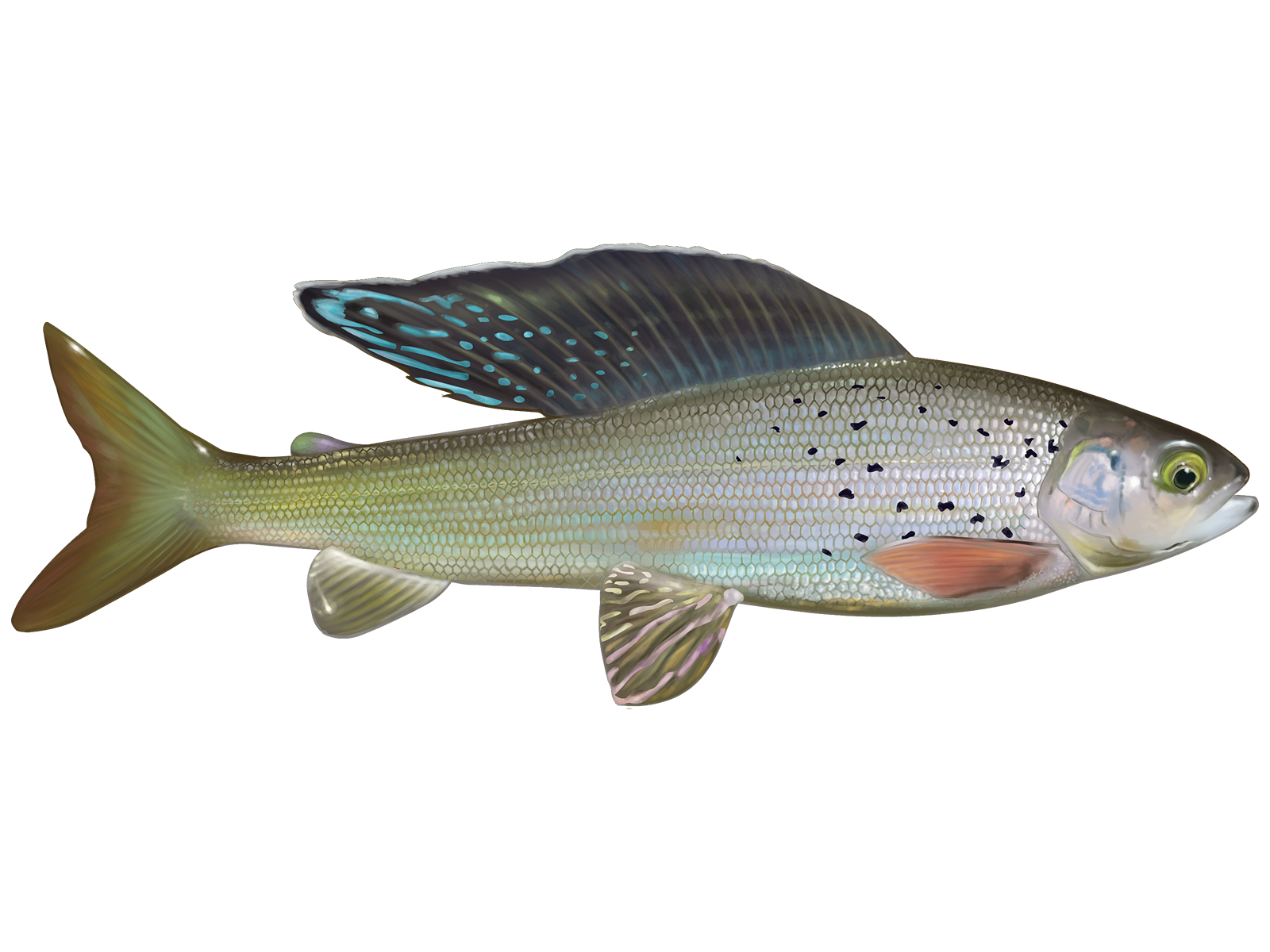 Arctic Grayling
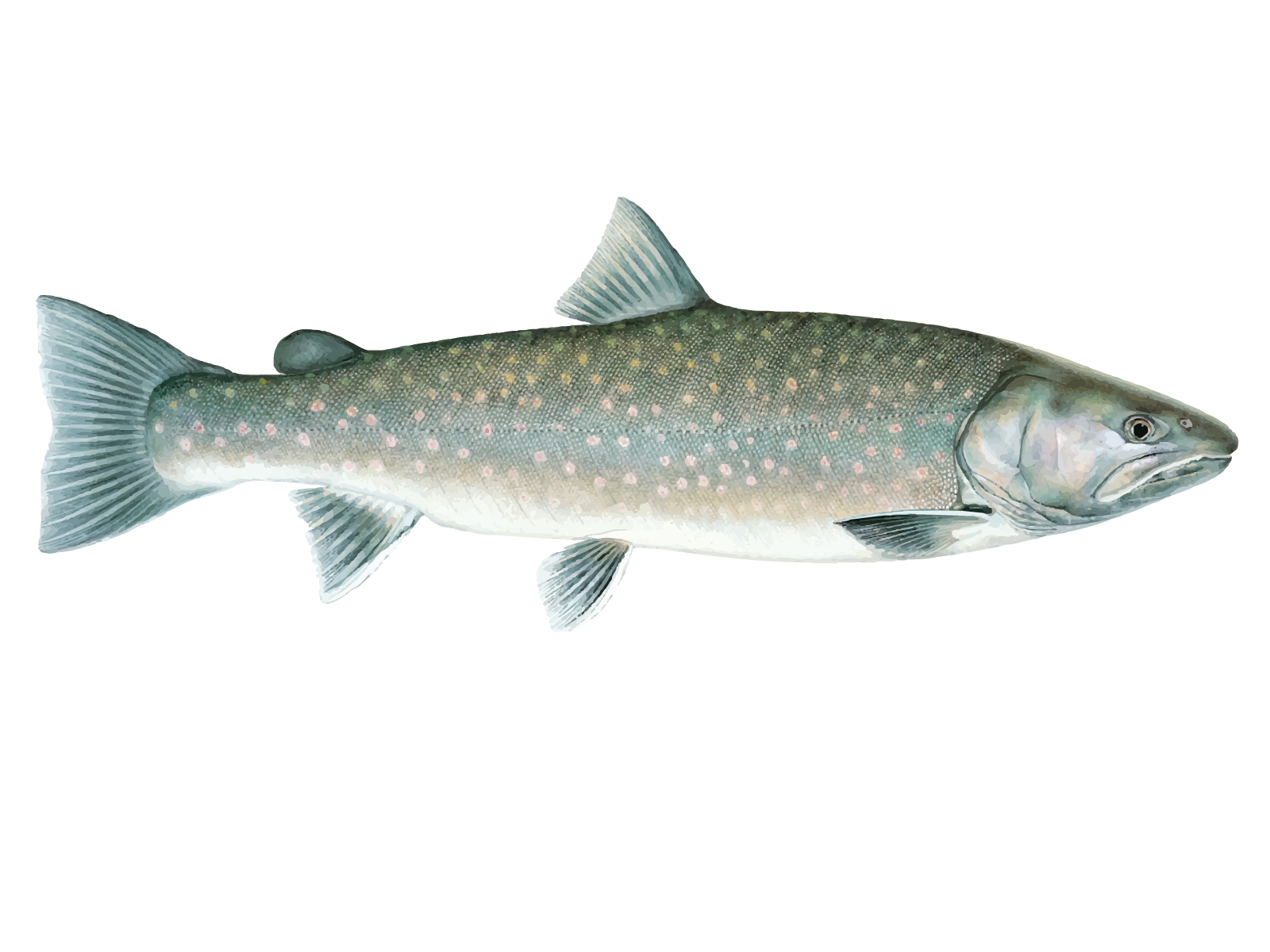 Bull Trout
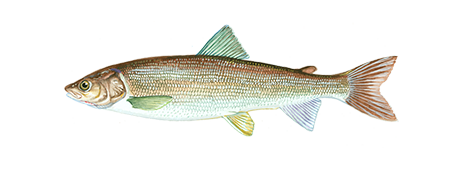 Mountain Whitefish
 Rainbow Trout
- This half-day fly fishing trip with Austin Bradley takes you into the remote wilderness around Tumbler Ridge, where the rivers and lakes hold healthy populations of native trout in some of BC's most scenic mountain country. You'll fish lightly pressured waters using a variety of techniques
- dry flies, nymphs, and streamers
- depending on what the conditions call for. The focus is on giving you a solid fly fishing experience in cold, clear water surrounded by rugged landscapes, perfect for anglers who want quality time on the water without committing to a full day. With just two guests max, you get personalized instruction and the chance to really dial in your technique while targeting the region's trout species.
Trip Pricing and Availabilities:
Half-Day Fly Fishing in Tumbler Ridge
Picture this: you're standing knee-deep in crystal-clear mountain water, surrounded by peaks that stretch endlessly into the BC sky, and your line just went tight with a native bull trout. That's exactly what you'll find on Austin Bradley's half-day fly fishing trips in Tumbler Ridge. This isn't your typical roadside fishing hole – we're talking about remote wilderness waters that most anglers never get to experience. Austin knows these rivers and lakes like the back of his hand, and he's built a reputation for putting clients on fish in some of the most beautiful country you'll ever cast a line in. Whether you're a seasoned fly angler looking to explore new water or someone who wants to experience what world-class backcountry fishing feels like, this trip delivers without eating up your entire day.
What to Expect on the Water
Austin's approach is straightforward – he takes small groups of maximum two anglers to productive spots where the fish are actually biting. No crowded pools or pressure from other boats. These are lightly fished waters where native trout populations thrive in their natural habitat. The half-day format works perfectly for folks who want quality time on the water without the commitment of a dawn-to-dusk adventure. You'll spend your time working productive runs and pools that Austin has dialed in over years of guiding in the region. The scenery alone is worth the trip – rugged mountain landscapes frame every cast, and you'll often feel like you're the only person for miles. Austin keeps groups small intentionally, so you get personalized instruction and plenty of hands-on time with the rod. This customer favorite trip typically runs about four hours, giving you solid fishing time while leaving room in your schedule for other activities.
Fly Selection & Techniques
The beauty of Tumbler Ridge fishing lies in its versatility. Depending on conditions and what the fish are doing, you might find yourself working everything from classic dry fly presentations to deep nymphing techniques. Austin carries a full selection of proven patterns for the region – think attractor dries like stimulators and elk hair caddis for surface action, plus a solid nymph box loaded with prince nymphs, hare's ears, and local favorites. When the fish are being finicky or holding deep, streamers often save the day. Austin's particularly good at reading water and adjusting tactics on the fly. He'll teach you how to approach different types of water, from fast pocket water where you need quick, accurate casts to slower pools that require delicate presentations. The cold, clear water means fish can be spooky, so you'll learn proper approach angles and how to stay low and quiet. Most of the fishing happens from shore, though some spots might require a bit of wading – nothing too technical, just enough to reach the best holding water.
Target Game Breakdown
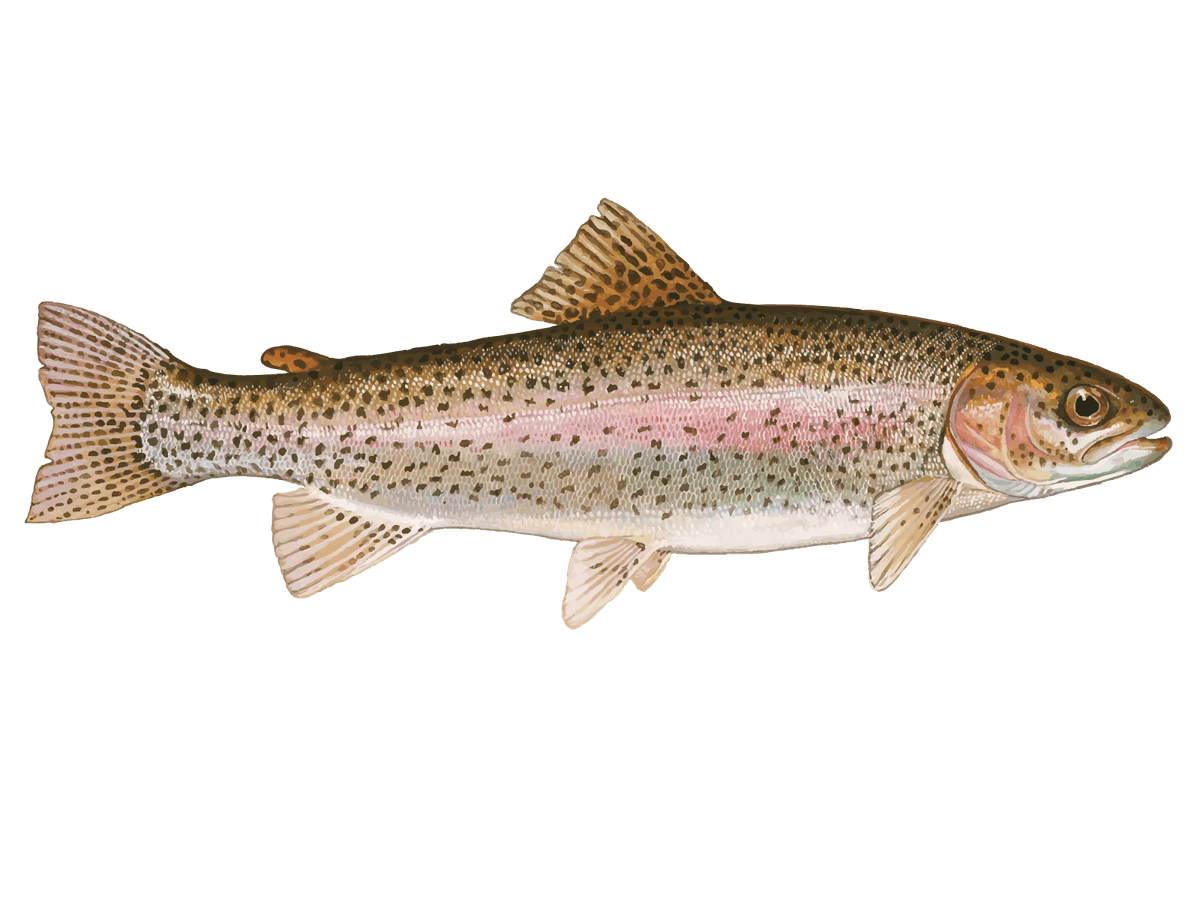
Rainbow trout are the bread and butter of Tumbler Ridge waters, and for good reason. These wild fish fight like they mean it, often jumping multiple times and making long runs that'll test your drag system. Most rainbows here run 12 to 16 inches, though Austin regularly puts clients on fish pushing the 18-inch mark. They're most active during morning and evening hours, but the cooler mountain water keeps them feeding throughout the day. What makes catching rainbows here special is their condition – these are wild, healthy fish with vibrant colors that only come from pristine water and abundant food sources.
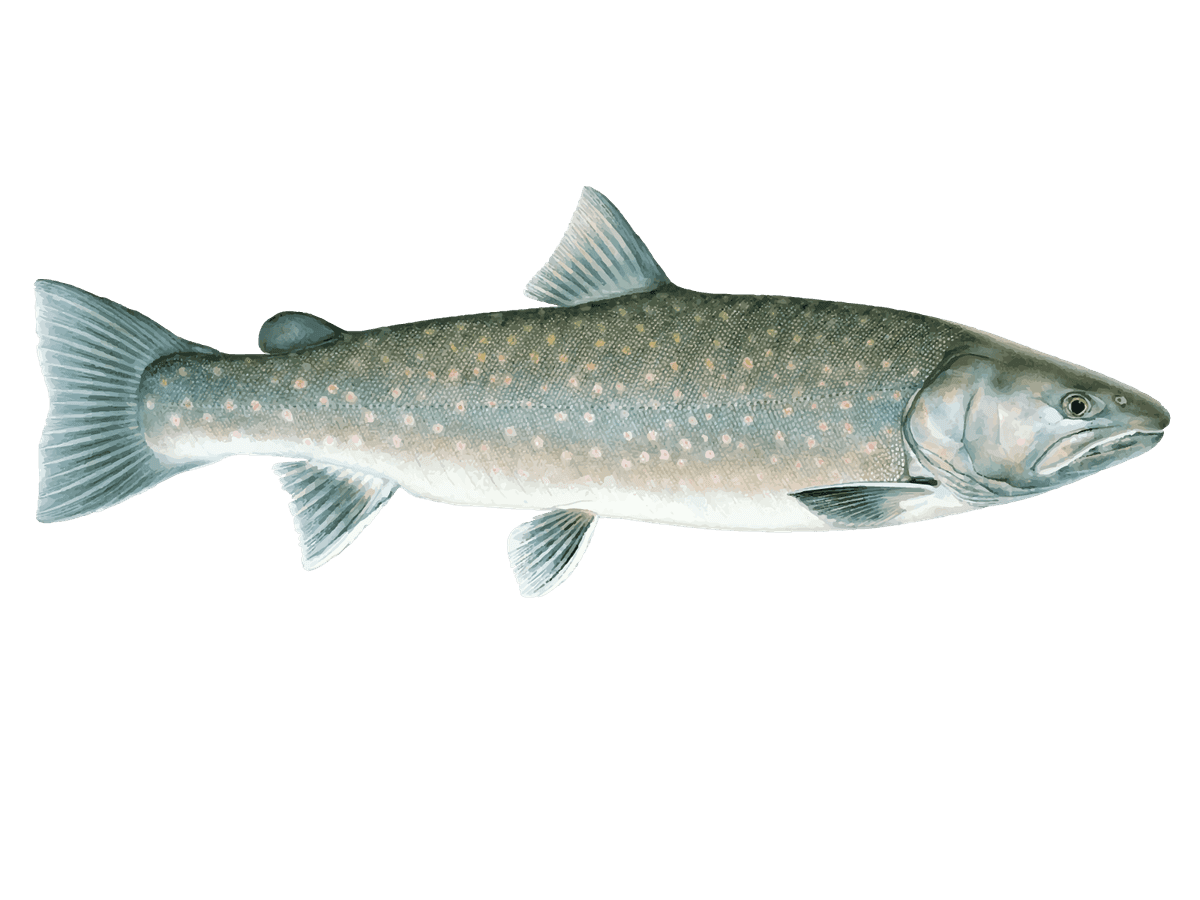
Bull trout are the top-rated trophy species in these waters, and hooking one is always a highlight of any trip. These native char can grow substantial in the cold, nutrient-rich environment, with fish over 20 inches being entirely possible. Bulls are ambush predators that love structure – think undercut banks, deep pools, and anywhere smaller fish might be vulnerable. They're known for their powerful, bulldogging fights and their preference for larger flies, particularly streamers. Best time to target bulls is typically early season and fall, though Austin knows specific spots where they can be found year-round.
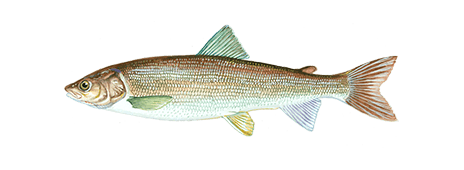
Mountain whitefish might not win any beauty contests, but they're scrappy fighters that often save the day when trout are being difficult. These native fish are abundant in many of the region's rivers and provide consistent action on nymphs and small streamers. They're particularly active in the fall months and can be found in both fast water and slower pools. While they might not be the primary target, landing a chunky mountain whitefish on light fly tackle is more fun than most people expect.
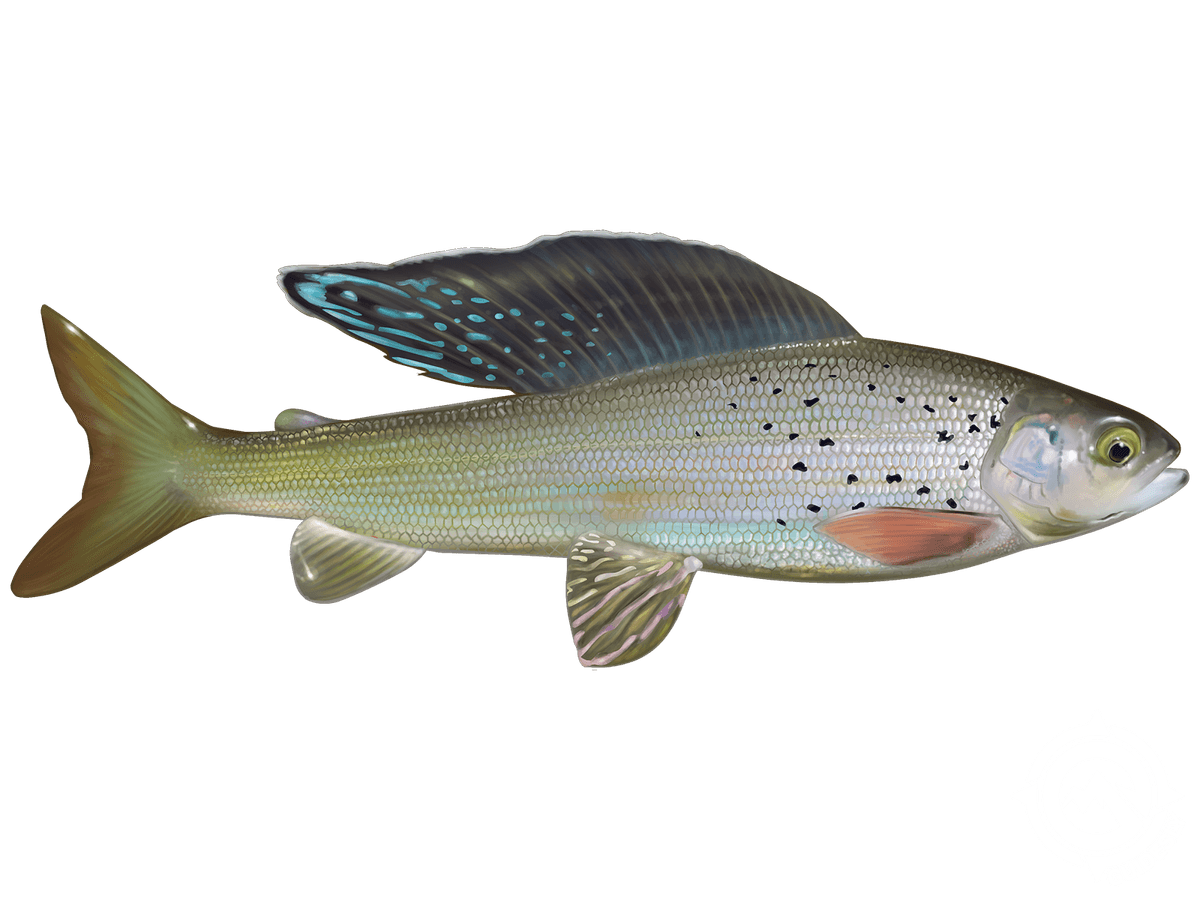
Arctic grayling represent the crown jewel of northern BC angling, and Tumbler Ridge sits right in prime grayling country. These stunning fish with their distinctive sail-like dorsal fins are a bucket list species for many fly anglers. Grayling are surface feeders by nature, making them perfect targets for dry fly fishing during insect hatches. They typically run smaller than trout – 12 to 14 inches is a solid fish – but their unique appearance and willingness to rise to well-presented flies makes them incredibly rewarding to catch. Austin knows specific lakes and streams where grayling populations are healthy, though their presence can be seasonal depending on water temperatures and food availability.
Time to Book Your Spot
If you're looking for a taste of what makes BC fly fishing legendary without committing to a full-day trip, Austin's half-day guided experience hits the sweet spot. You'll fish productive waters, learn from an experienced local guide, and experience the kind of mountain wilderness that most people only see in magazines. The small group size means you get personal attention, and Austin's knowledge of local conditions and techniques will definitely improve your game. These trips book up quickly during peak season, especially since Austin only takes two anglers at a time. Whether you're visiting Tumbler Ridge for other activities or specifically targeting the region's renowned trout fishing, this half-day adventure delivers authentic backcountry angling without the full-day time commitment. Ready to experience what world-class mountain fly fishing looks like? Austin's got the local knowledge and proven track record to make it happen.
Learn more about the species
Arctic Grayling
The "sailfish of the north" with that massive, colorful dorsal fin that looks like a sail when they're excited. These stunning fish run 12-20 inches and display amazing colors - purple, blue, and gold hues that really pop in clear water. They love cold, highly oxygenated pools and runs, often holding in moderate current where they can dart up for insects. June through September is peak season, especially during mayfly and caddis hatches when they'll aggressively take dry flies. Grayling are pure fly fishing gold - they rise readily, fight well for their size, and that dorsal fin makes every battle memorable. Plus, they historically have a thyme scent to their flesh. The trick is using smaller presentations since they have delicate mouths. Size 12-16 dry flies work great, and they're less spooky than trout, so you can often get multiple fish from the same pool.
Bull Trout
These native char are the apex predators in our system, growing 20-30 inches and known for their aggressive strikes. You'll spot them by their olive-green backs and bright orange spots - no black spots on the dorsal fin like other trout. They lurk in deep pools and slower backwater areas, often holding near the bottom in the coldest, cleanest water. Fall is prime time when they're most active before spawning, though early morning and evening sessions work well all season. Bull trout fight hard and long, making powerful runs that test your gear. They're also a special catch since they're a sensitive species that only thrives in pristine water. Here's the key: think big and fish deep. Use streamers or large nymphs near structure, and be patient - they're ambush feeders that won't chase food very far.
Mountain Whitefish
These silvery, torpedo-shaped natives are often overlooked but make for consistent action when trout get finicky. Running 10-16 inches with bronze-white coloring and a distinctive snout, they school up in good numbers throughout our cold, clear rivers. Winter fishing can be outstanding since they stay active in near-freezing water when other species slow down. They feed heavily on bottom-dwelling insects and won't refuse a well-presented nymph. While some anglers call them "trash fish," they're actually quite tasty when smoked or pickled, and their aggressive nature means steady hookups. The secret is going small - use size 14-16 nymphs like caddis or midges, and fish them deep with enough weight to get down. They have tiny mouths, so don't expect big takes, just steady tapping on your line.
Rainbow Trout
These beautiful fish are the backbone of our local waters, running 12-20 inches with that classic pink stripe along their silver sides. You'll find them in the cooler, well-oxygenated pools and runs, especially where there's good cover like undercut banks or fallen timber. They're most active during spring and fall when water temps sit between 55-65°F, but early mornings and evenings produce year-round. Rainbows are scrappy fighters that'll jump and run, making them a favorite for fly anglers. They're also excellent eating with firm, pink flesh. My tip: watch for rising fish feeding on insects at the surface - that's when a well-presented dry fly can make your day. They're spooky in clear water, so approach quietly and keep your shadow off the water.
About the Toyota Tacoma
%2F%2Fusers%2F798a0303-f1fe-41b7-a61c-04bd6a5068a3%2Fvehicle_picture%2F794d7c7d-247e-4047-852d-119c293ed8bf.jpg&w=1200&q=75)
Vehicle Guest Capacity: 4