%2Ffit-in%2F250x250%2Fguide_websites%2F121123%2Fimages%2F1773540728867logo.png&w=1200&q=100)
/users/798a0303-f1fe-41b7-a61c-04bd6a5068a3/ratecard/3-mmr3cgmj.jpg)
%2F300x300%2Fusers%2F798a0303-f1fe-41b7-a61c-04bd6a5068a3%2Fratecard%2F3-mmr3cgmj.jpg&w=256&q=75)
%2F300x300%2Fusers%2F798a0303-f1fe-41b7-a61c-04bd6a5068a3%2Fimages%2Fbull-trout-tumbler-ridge-catch-2367.jpg&w=256&q=75)
%2F300x300%2Fusers%2F798a0303-f1fe-41b7-a61c-04bd6a5068a3%2Fimages%2Fbull-trout-tumbler-ridge-bc-2458.jpg&w=256&q=75)
%2F300x300%2Fusers%2F798a0303-f1fe-41b7-a61c-04bd6a5068a3%2Fimages%2Fbull-trout-tumbler-ridge-bc-2340.jpg&w=256&q=75)
%2F300x300%2Fusers%2F798a0303-f1fe-41b7-a61c-04bd6a5068a3%2Fimages%2Ftumbler-ridge-catch-release-2647.jpg&w=256&q=75)
%2F300x300%2Fusers%2F798a0303-f1fe-41b7-a61c-04bd6a5068a3%2Fimages%2Farctic-grayling-tumbler-ridge-catch-2596.jpg&w=256&q=75)
%2F300x300%2Fusers%2F798a0303-f1fe-41b7-a61c-04bd6a5068a3%2Fimages%2Farctic-grayling-tumbler-ridge-bc-2552.jpg&w=256&q=75)
%2F300x300%2Fusers%2F798a0303-f1fe-41b7-a61c-04bd6a5068a3%2Fimages%2Ftumbler-ridge-fish-release-2320.jpg&w=256&q=75)
%2F300x300%2Fusers%2F798a0303-f1fe-41b7-a61c-04bd6a5068a3%2Fimages%2Ffly-fishing-tumbler-ridge-bc-2374.jpg&w=256&q=75)
%2F300x300%2Fusers%2F798a0303-f1fe-41b7-a61c-04bd6a5068a3%2Fimages%2Frainbow-trout-tumbler-ridge-bc-2396.jpg&w=256&q=75)
%2F300x300%2Fusers%2F798a0303-f1fe-41b7-a61c-04bd6a5068a3%2Fimages%2Fbull-trout-tumbler-ridge-bc-2347.jpg&w=256&q=75)
Full Day Guided Fly Fishing Tumbler Ridge BC
What you will be catching:
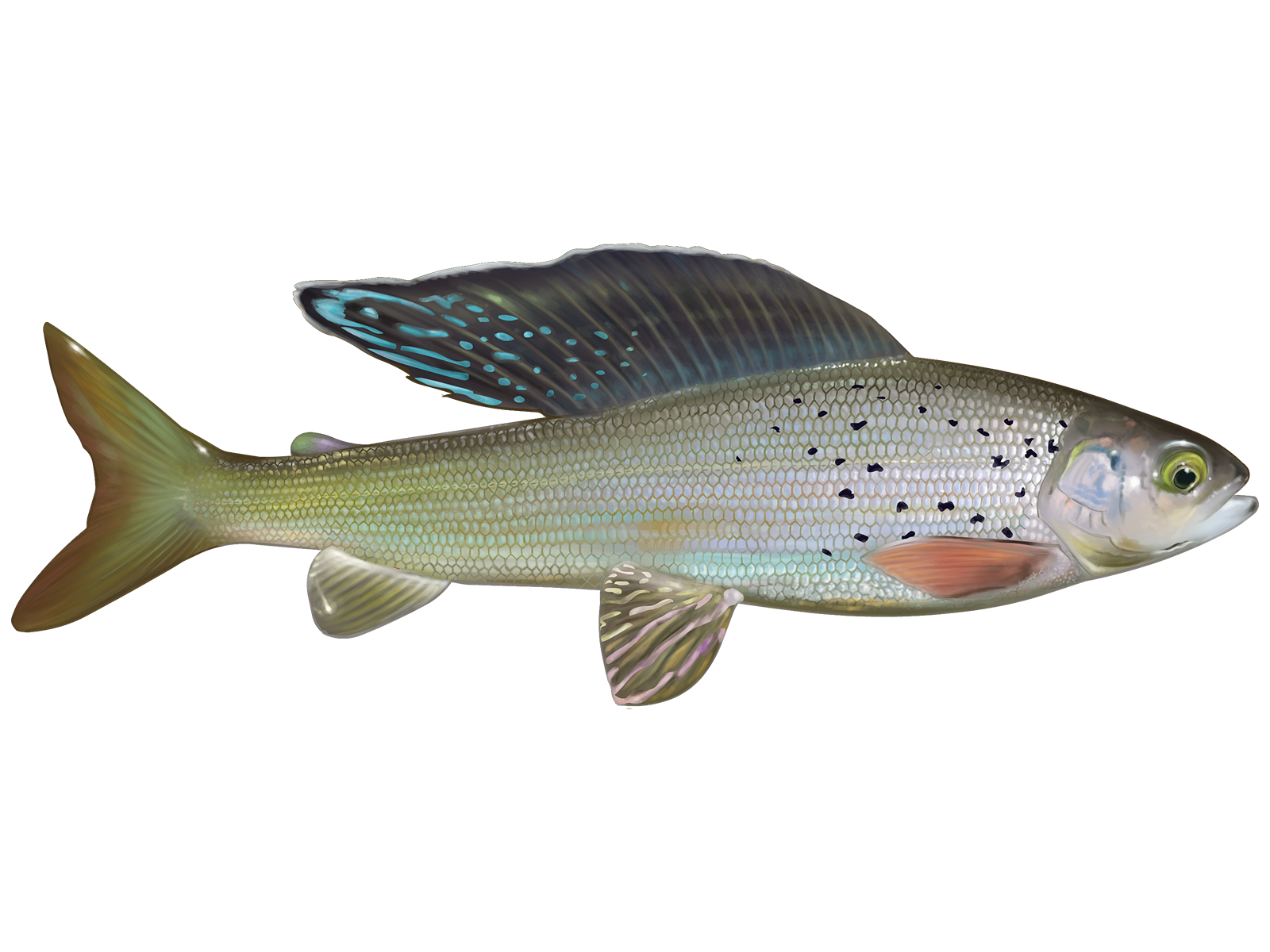 Arctic Grayling
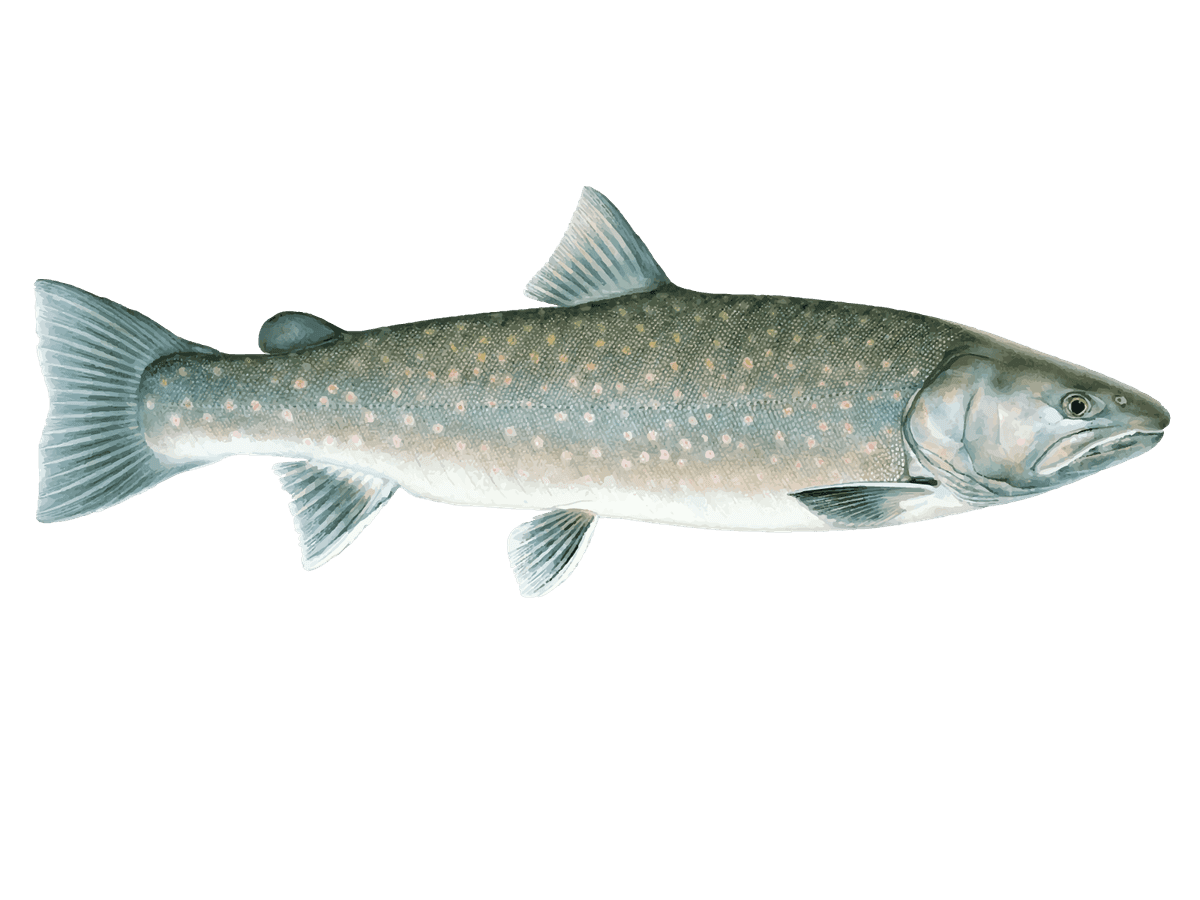
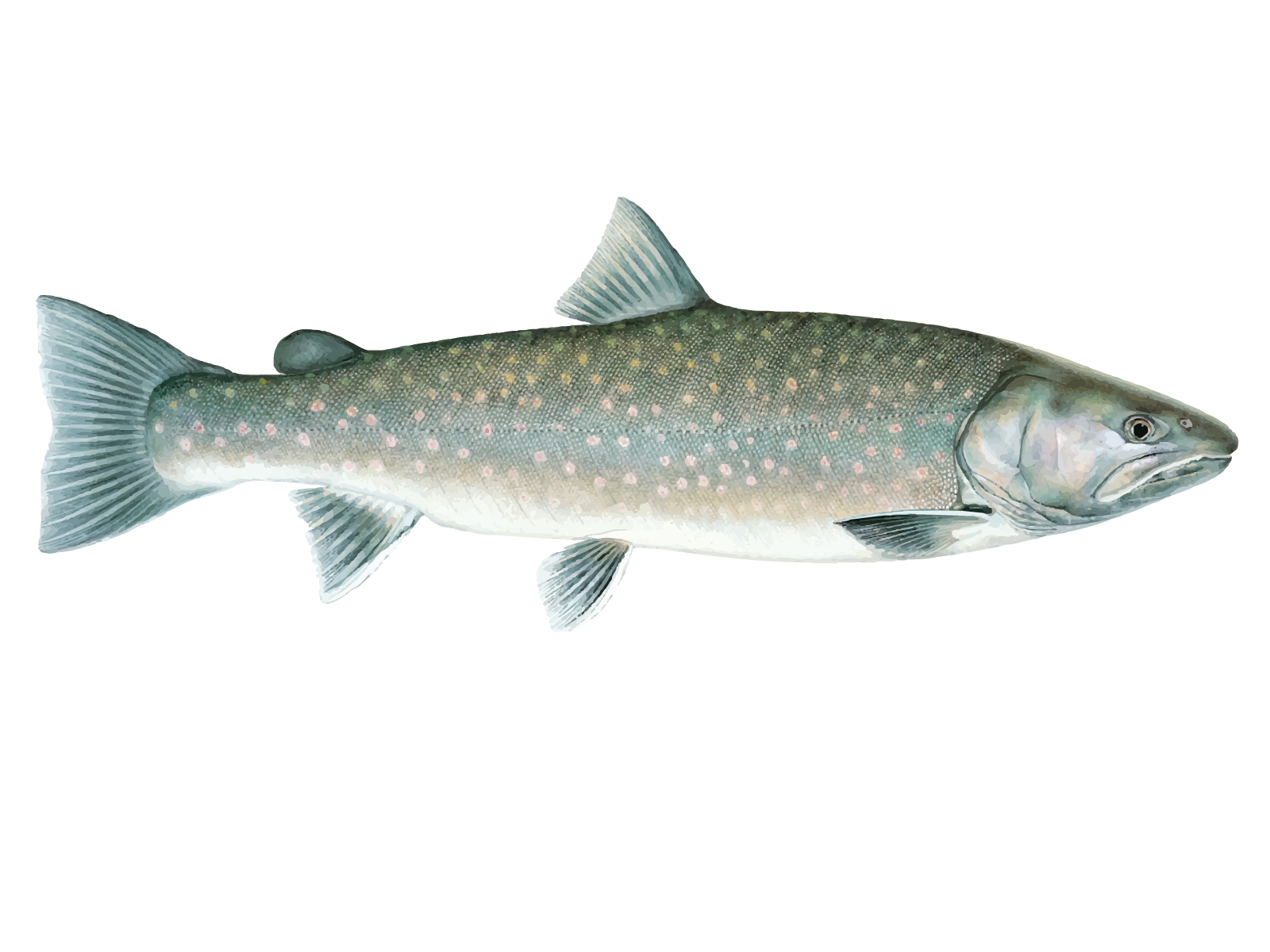 Bull Trout
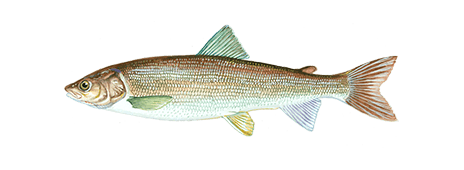
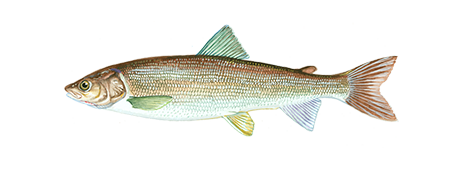 Mountain Whitefish
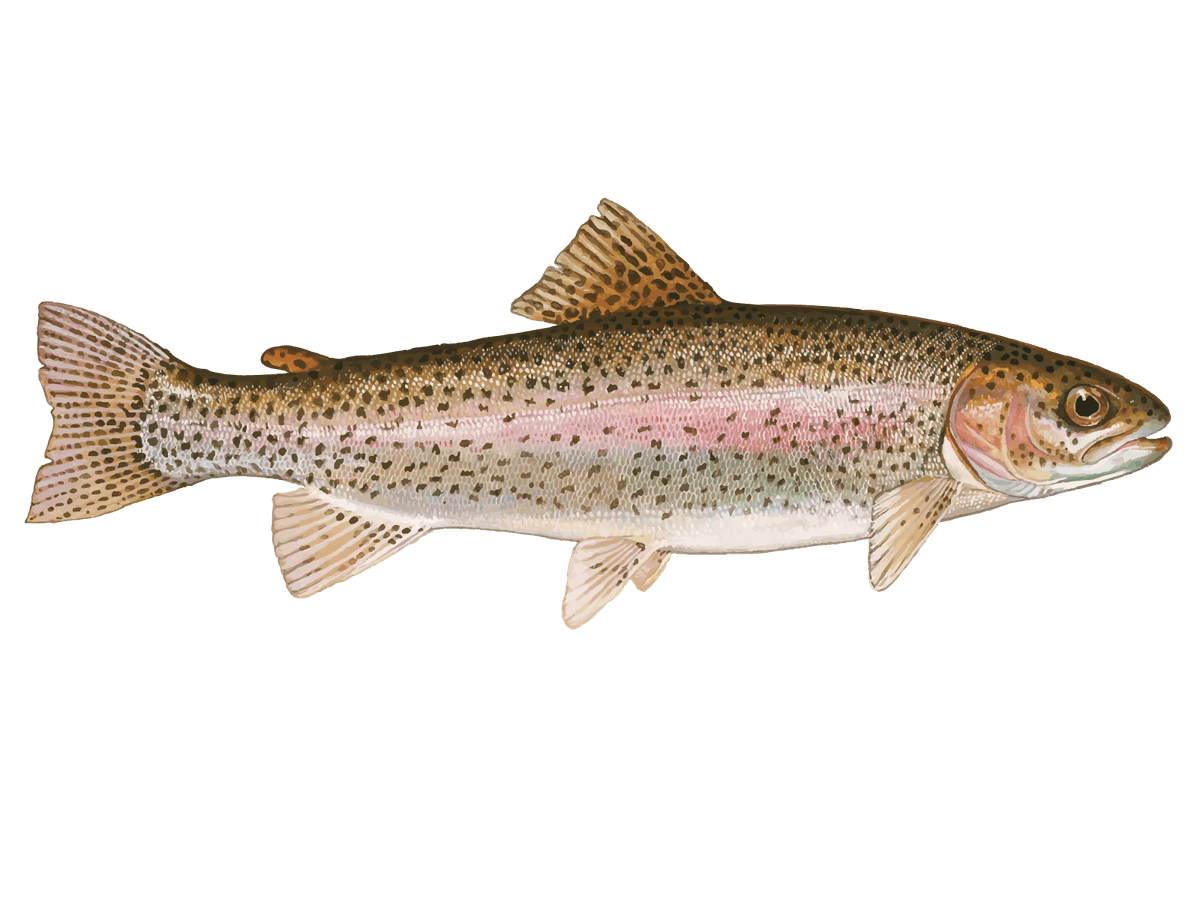
 Rainbow Trout
- This full-day fly fishing trip puts you on some of northern BC's best trout water around Tumbler Ridge. You'll spend eight hours with guide Austin Bradley working remote rivers and lakes that most anglers never see. The fishing here is solid
- cold, clear water holding healthy trout that respond well to flies. Austin picks spots based on what's working that day and your skill level, so whether you're throwing dry flies to rising fish or working streamers through deeper runs, you'll be on productive water. It's backcountry fishing without the major expedition
- accessible spots that still feel wild and fish like it too.
Trip Pricing and Availabilities:
Full-day Fly Fishing in Tumbler Ridge
Picture this: eight solid hours of casting flies into some of northern British Columbia's most productive trout water, with Austin Bradley as your personal guide through the backcountry around Tumbler Ridge. This isn't your typical half-day rush job – we're talking about a proper full-day adventure where you'll have time to really dial in your technique and work through different spots until you find where the fish are holding. The remote rivers and lakes surrounding this corner of BC offer everything from technical dry fly presentations to deep nymph drifts, all while you're surrounded by country that most anglers only dream about accessing.
What to Expect on the Water
Austin knows these waters like the back of his hand, and he'll pick your fishing spots based on what's actually happening that day – not some cookie-cutter itinerary. Depending on conditions, you might find yourself working a crystal-clear mountain stream where you can sight-fish to feeding trout, or casting streamers along the drop-offs of a backcountry lake where the big boys cruise for baitfish. The beauty of an 8-hour trip is that you're not rushed – if the fish are active in one spot, you can stay and make the most of it. If they're being finicky, Austin can move you to different water without watching the clock. This customer favorite approach means you'll actually learn the water instead of just getting a quick tour. The capacity is kept small at just two anglers, so you'll get plenty of individual attention whether you're working on your casting or trying to figure out what fly pattern the fish want.
Flies, Lines, and Techniques
Austin will have you covered gear-wise, but here's what you can expect to throw throughout the day. Early morning often means dry flies – Adams, Elk Hair Caddis, maybe some terrestrials if it's the right season. As the day progresses and surface activity slows down, you'll likely switch to nymphs. We're talking Prince Nymphs, Pheasant Tails, maybe some local patterns that Austin has dialed in for these specific waters. When the fish are being particularly stubborn, streamers can save the day – Woolly Buggers, Muddler Minnows, or whatever's imitating the local baitfish. The technique variety keeps things interesting and educational. You might start with dead-drift nymphing under an indicator, then switch to swinging wet flies through a promising run, and finish the day stripping streamers back to the boat. Austin will adjust the game plan based on your skill level – beginners will focus on fundamentals, while experienced anglers can work on more advanced presentations.
Target Species You'll Want to Hook
Rainbow Trout are the bread and butter of these waters, and for good reason. The rainbows around Tumbler Ridge are honest, hard-fighting fish that'll give you everything they've got once hooked. Spring through fall are your best bets, with fish ranging from feisty 12-inchers to occasional 20+ inch specimens that'll test your drag system. What makes them special here is their willingness to take dry flies – there's nothing quite like watching a rainbow sip your Adams off the surface in gin-clear mountain water.
Bull Trout are the apex predators in these systems, and they're absolute brutes when you hook into one. These char can push well over 20 inches and fight like fish twice their size. They're more selective than rainbows and prefer deeper water, which is why having a guide who knows their holding spots makes all the difference. Fall is prime time for bulls, when they're actively feeding before winter. Fair warning – once you hook your first bull trout, you'll be obsessed with finding the next one.
Mountain Whitefish might not win beauty contests, but they're incredibly abundant and willing to eat just about any nymph you put in front of them. Think of them as your confidence builders – when other species are being picky, whitefish will keep your line tight. They're also excellent indicators of healthy water, and their presence usually means other species are around too. Don't underestimate their fight either – a chunky whitefish will surprise you with its stamina.
Arctic Grayling are the exotic jewels of northern BC waters. These fish are absolutely gorgeous with their sail-like dorsal fins and iridescent coloring that changes in the light. They're primarily dry fly targets and incredibly fun to catch on light tackle. Grayling are seasonal visitors in many of these waters, making them a special bonus when conditions line up right. Their rise to a dry fly is distinctive – more of a head-and-tail roll than the splashy take of a rainbow.
Time to Book Your Adventure
This world-class full-day experience gives you the time and guidance to really connect with northern BC's backcountry fisheries. Eight hours with Austin means you'll cover different water types, learn multiple techniques, and have legitimate shots at four distinct species – all while exploring country that's genuinely remote and beautiful. The small group size ensures personalized instruction, and Austin's local knowledge means you'll fish spots that produce consistently. Whether you're looking to improve your fly fishing skills or just want a full day away from civilization with a rod in your hand, this top-rated trip delivers exactly what serious anglers are after. Don't wait on this one – good guides who know productive water book up fast, especially during prime season.
Learn more about the species
Arctic Grayling
Graylings are the jewels of northern waters with those spectacular sail-like dorsal fins marked in purple and gold. Running 12-20 inches, they're surface feeders that love sipping insects in calm pools and lake edges. Summer months from June through August are peak season when they're most active. What makes grayling special is their beauty and willingness to rise to dry flies - watching that huge dorsal fin break the surface is pure magic. They're also excellent table fare with a unique thyme-like scent. These fish prefer cooler, oxygen-rich water and often indicate the healthiest parts of our system. Best approach is with small dry flies in sizes 12-16, targeting the edges of current where they cruise for food. Move quietly and keep casts short - they're curious but easily spooked in shallow water.
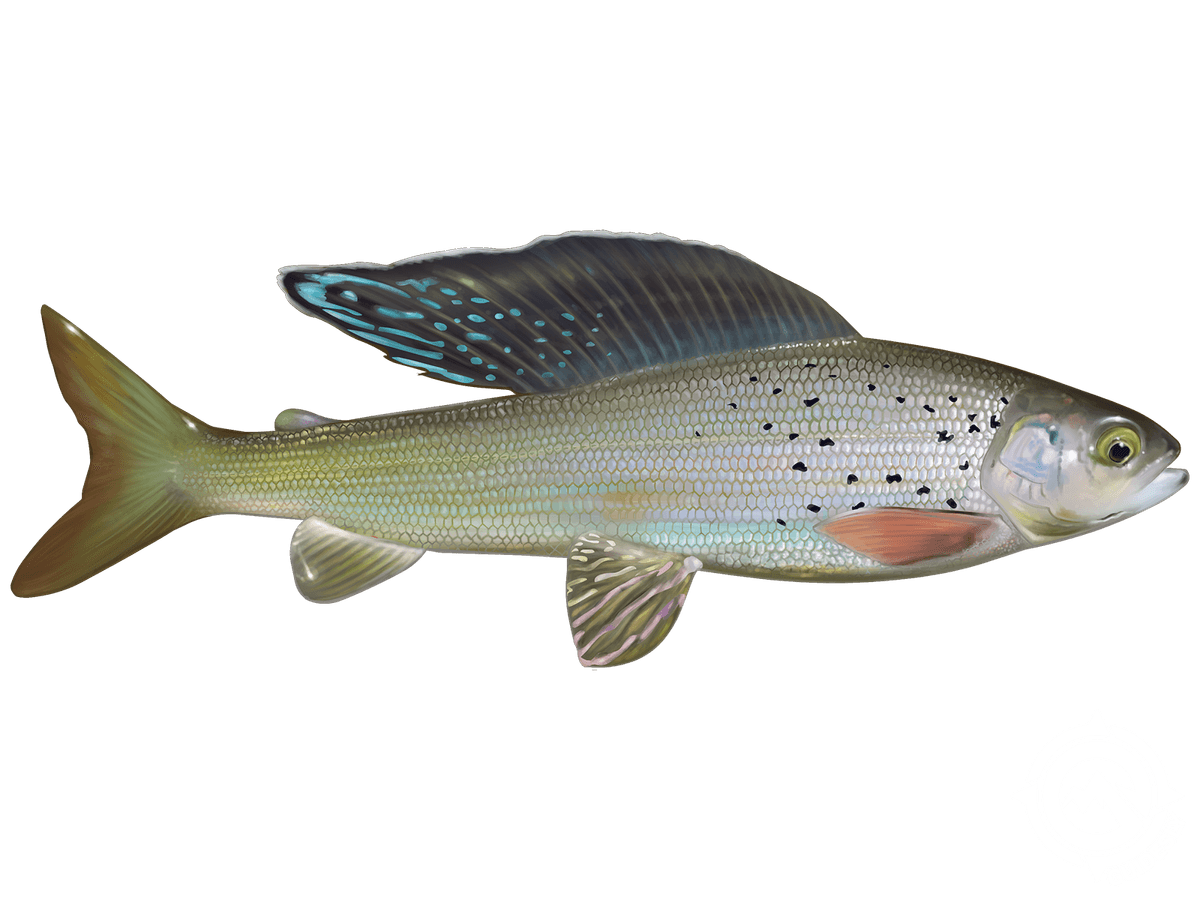
Bull Trout
Bulls are the apex predators in our system - think of them as freshwater sharks. These char can push 20-30 inches and fight like freight trains when hooked. They lurk in deep pools and undercut banks, ambushing smaller fish with those massive jaws. Fall is prime time when they're most active before spawning. What guests love is the challenge - bulls are smart, selective, and when you do hook one, it's a battle you won't forget. They're also indicators of pristine water quality. These native fish are special catches that we handle with care. My go-to technique is swinging big streamers through the deepest holes, especially where tributaries meet the main river. Use heavy tippet and be ready for a long fight in the current.
Mountain Whitefish
Whitefish might not win beauty contests, but they're abundant in our cold rivers and surprisingly fun on light tackle. Running 10-14 inches, they school up in slower pools and back eddies, feeding along the bottom with those downturned mouths. Winter fishing can be outstanding when trout slow down - whitefish stay active in near-freezing water. They hit small nymphs and will save the day when nothing else is biting. Plus, they're actually great eating when smoked or pickled. Guests often discover they're scrappy little fighters that bend the rod nicely. The key is fishing tiny flies - sizes 14-16 work best. Drop your nymphs right to the bottom in slower water and watch for subtle takes. They're perfect for beginners learning to read water and detect strikes.
Rainbow Trout
Rainbows are the bread and butter of our northern BC waters, running 12-18 inches with the occasional bruiser pushing 20+. You'll find them in fast runs and deeper pools where the water stays cold and clean. They're scrappy fighters that'll jump and run hard when hooked. Spring through fall are prime, but late summer evenings can be magic when they rise to dry flies. What makes rainbows special is their willingness to hit everything from tiny midges to big streamers. They're also excellent eating with that classic pink flesh. Pro tip: in our gin-clear water, approach pools from downstream and keep your profile low - these fish spook easy but once you dial in the right fly depth, you can often pick up multiples from the same spot.
About the Toyota Tacoma
%2F%2Fusers%2F798a0303-f1fe-41b7-a61c-04bd6a5068a3%2Fvehicle_picture%2F794d7c7d-247e-4047-852d-119c293ed8bf.jpg&w=1200&q=75)
Vehicle Guest Capacity: 4