%2Ffit-in%2F250x250%2Fguide_websites%2F121123%2Fimages%2F1773540728867logo.png&w=1200&q=100)
/users/798a0303-f1fe-41b7-a61c-04bd6a5068a3/ratecard/4-mmr3b640.jpg)
%2F300x300%2Fusers%2F798a0303-f1fe-41b7-a61c-04bd6a5068a3%2Fratecard%2F4-mmr3b640.jpg&w=256&q=75)
%2F300x300%2Fusers%2F798a0303-f1fe-41b7-a61c-04bd6a5068a3%2Fimages%2Fbull-trout-tumbler-ridge-catch-2367.jpg&w=256&q=75)
%2F300x300%2Fusers%2F798a0303-f1fe-41b7-a61c-04bd6a5068a3%2Fimages%2Fbull-trout-tumbler-ridge-bc-2458.jpg&w=256&q=75)
%2F300x300%2Fusers%2F798a0303-f1fe-41b7-a61c-04bd6a5068a3%2Fimages%2Fbull-trout-tumbler-ridge-bc-2340.jpg&w=256&q=75)
%2F300x300%2Fusers%2F798a0303-f1fe-41b7-a61c-04bd6a5068a3%2Fimages%2Ftumbler-ridge-catch-release-2647.jpg&w=256&q=75)
%2F300x300%2Fusers%2F798a0303-f1fe-41b7-a61c-04bd6a5068a3%2Fimages%2Farctic-grayling-tumbler-ridge-catch-2596.jpg&w=256&q=75)
%2F300x300%2Fusers%2F798a0303-f1fe-41b7-a61c-04bd6a5068a3%2Fimages%2Farctic-grayling-tumbler-ridge-bc-2552.jpg&w=256&q=75)
%2F300x300%2Fusers%2F798a0303-f1fe-41b7-a61c-04bd6a5068a3%2Fimages%2Ftumbler-ridge-fish-release-2320.jpg&w=256&q=75)
%2F300x300%2Fusers%2F798a0303-f1fe-41b7-a61c-04bd6a5068a3%2Fimages%2Ffly-fishing-tumbler-ridge-bc-2374.jpg&w=256&q=75)
%2F300x300%2Fusers%2F798a0303-f1fe-41b7-a61c-04bd6a5068a3%2Fimages%2Frainbow-trout-tumbler-ridge-bc-2396.jpg&w=256&q=75)
%2F300x300%2Fusers%2F798a0303-f1fe-41b7-a61c-04bd6a5068a3%2Fimages%2Fbull-trout-tumbler-ridge-bc-2347.jpg&w=256&q=75)
Fly Fishing Lessons Tumbler Ridge Chasing Char
What you will be catching:
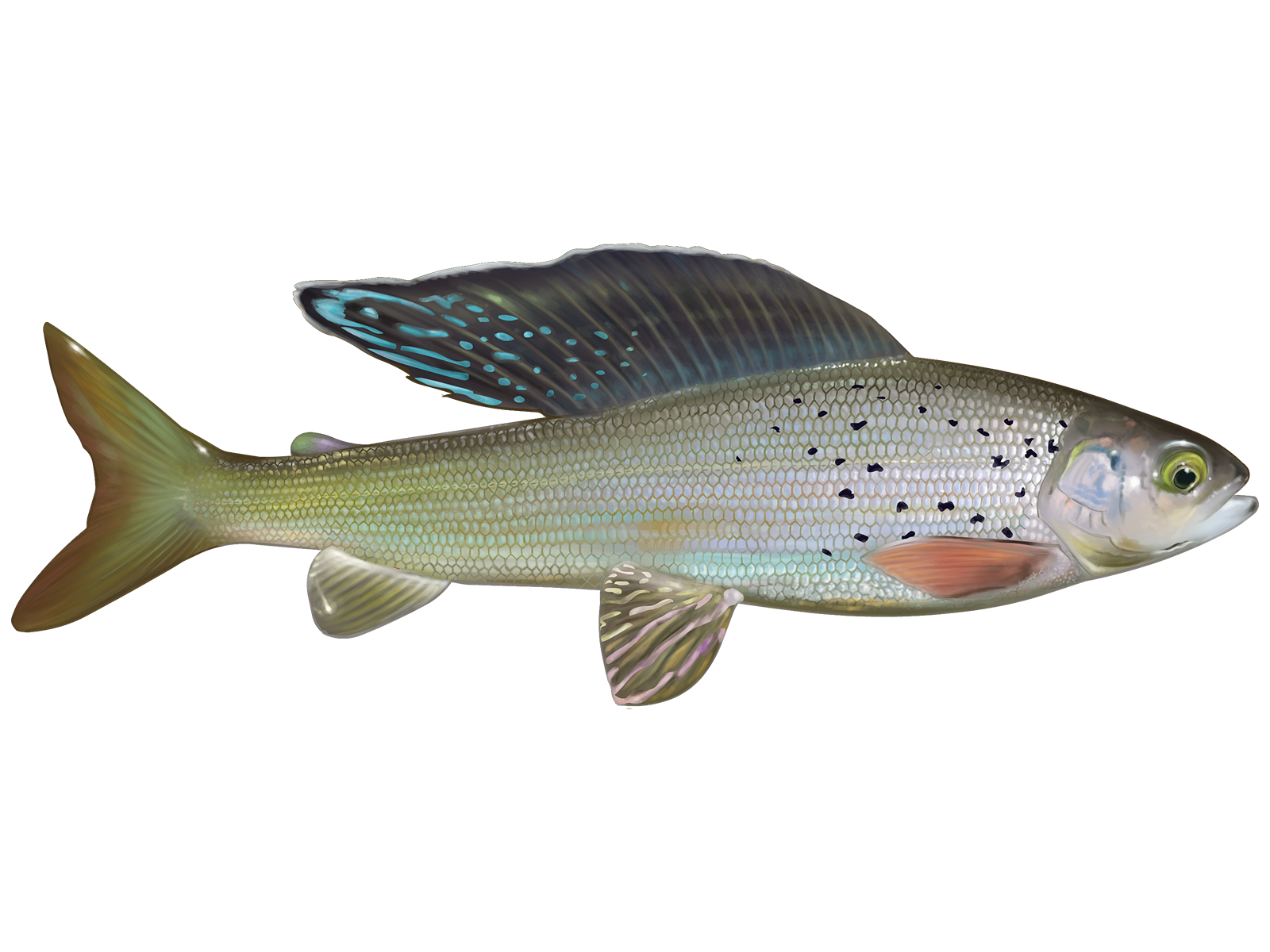 Arctic Grayling
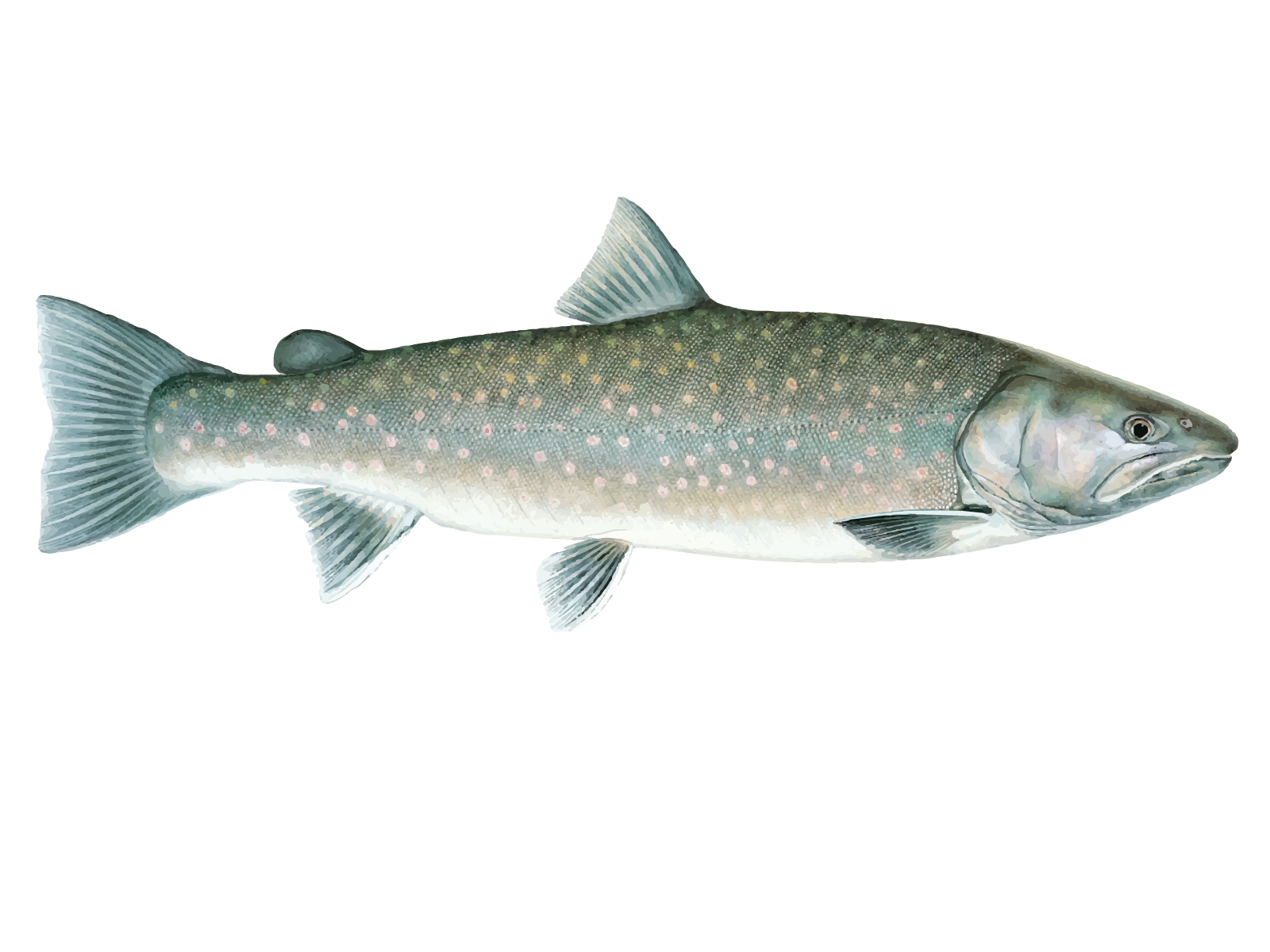 Bull Trout
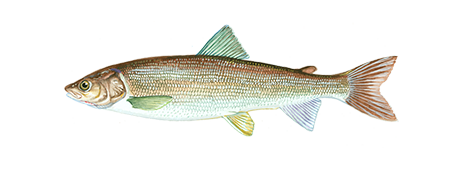 Mountain Whitefish
 Rainbow Trout
- This 2-hour fly fishing lesson in Tumbler Ridge gets you started with the basics of casting and reading the water. Austin Bradley from Chasing Char will teach you proper line control, loop formation, and how to present your fly naturally. You'll learn about the local aquatic insects that BC trout feed on, plus practice the essential casts you'll actually use on rivers and streams. With just 2 spots available, you get personalized instruction in the backcountry waters around Tumbler Ridge. Perfect for beginners who want to build solid fundamentals before heading out on their own.
Trip Pricing and Availabilities:
Fly Fishing Lesson in Tumbler Ridge
If you've been thinking about picking up a fly rod but don't know where to start, this 2-hour guided lesson in Tumbler Ridge is exactly what you need. Austin Bradley has been teaching folks the art of fly fishing in these BC waters for years, and he's got a knack for breaking down what can feel like a complicated sport into manageable, fun chunks. You'll spend your time learning the fundamentals – casting mechanics, line control, and reading the water – all while getting familiar with the local bugs that drive these fish crazy. It's hands-on, practical, and designed to get you actually fishing, not just going through the motions.
What to Expect on the Water
This isn't your typical classroom-style lesson. Austin keeps things real and focused on what actually works in these Tumbler Ridge streams and rivers. You'll start with the basics of fly casting – getting your loops tight, controlling your line, and making presentations that don't spook every fish in the pool. The beauty of learning here is that you're practicing in the same conditions where you'll actually be fishing. Austin covers the essential freshwater casts that'll serve you well whether you're working a riffle or dropping flies into deeper holes. He's also big on teaching you to read the water and understand what the fish are doing throughout the day. With just two anglers max per session, you get plenty of one-on-one attention to work through any casting quirks or questions that come up. By the end of your two hours, you'll have a solid foundation and the confidence to start exploring these waters on your own.
Gear Setup & Local Knowledge
Austin provides all the essential gear, so you don't need to worry about showing up with the wrong rod or line weight for these conditions. He'll walk you through the basics of fly selection and explain why certain patterns work better in Tumbler Ridge waters. You'll get hands-on experience with different casting techniques, from basic overhead casts to roll casts that'll save you when you're dealing with brush or tight spots along the bank. One of the best parts of this lesson is learning about the aquatic insects that fuel the food chain here. Austin knows these hatches inside and out, and he'll show you how to match what's coming off the water. Understanding the bug life isn't just academic – it's what separates successful fly anglers from folks who are just casting pretty flies and hoping for the best. The focus stays practical throughout, with Austin sharing the kind of local tips and techniques that usually take years to pick up on your own.
Species You'll Want to Hook
Rainbow Trout are the bread and butter of Tumbler Ridge fly fishing, and for good reason. These fish are aggressive, acrobatic, and absolutely gorgeous when they come to the net. They're active throughout most of the season and respond well to both dry flies and nymphs, making them perfect targets for new fly anglers. Rainbows here typically run 12 to 16 inches, with some pushing into the 18-plus range if you're lucky. They love to feed in the early morning and evening hours, rising to mayflies and caddis with the kind of confidence that makes your heart skip a beat. What makes them special is their willingness to fight – these fish will jump, run, and test your drag system like they're auditioning for a fishing show.
Bull Trout are the heavyweights of these waters and catching one on a fly rod is something you'll remember forever. These native char can push well over 20 inches and have the kind of broad shoulders that'll make your rod bend in ways you didn't think possible. They're ambush predators that love deeper pools and undercut banks, often hanging out in spots where smaller fish wouldn't dare venture. Bull Trout are more selective than rainbows, but when they decide to eat, they commit fully. They prefer larger streamers and meaty nymphs, and they fight with a dogged determination that's completely different from the flashy aerial displays of rainbows. Finding one willing to play is always a highlight of any day on these waters.
Mountain Whitefish might not win any beauty contests, but they're incredibly fun on light fly tackle and more willing to bite than you might expect. These native fish are perfectly adapted to the cold, clear waters around Tumbler Ridge and they're active even when other species shut down. They're excellent indicators of healthy water, and catching them consistently means you're reading the currents and presenting your flies correctly. Whitefish love small nymphs and will often save the day when the trout are being finicky. They fight harder than their reputation suggests and they're a great confidence builder for new fly anglers still working on their technique.
Arctic Grayling are the wildcards of Tumbler Ridge waters – when you find them, it's like discovering buried treasure. These beautiful fish with their distinctive sail-like dorsal fins are incredibly selective and spooky, making them a real challenge for fly anglers. They prefer specific habitat conditions and tend to school up in certain areas, often in the cleaner gravel sections where the water stays cold and well-oxygenated. Grayling have tiny mouths, so small flies and precise presentations are essential. When you do connect with one, they fight with surprising strength for their size and their unique appearance makes every photo worth taking. They represent some of the wildest, most pristine fishing you'll find in BC.
Time to Book Your Spot
This lesson hits the sweet spot between learning real skills and having a great time on the water. Austin's approach focuses on building the foundation you need to become an independent fly angler, not just someone who can cast a fly rod. The small group size means you get personalized instruction, and learning in Tumbler Ridge gives you immediate access to some of the best fly fishing in northern BC. Whether you're completely new to fly fishing or looking to sharpen skills you've been struggling with, two hours with Austin will put you on the right track. The combination of hands-on casting instruction, local knowledge, and understanding these waters makes this lesson a smart
Learn more about the species
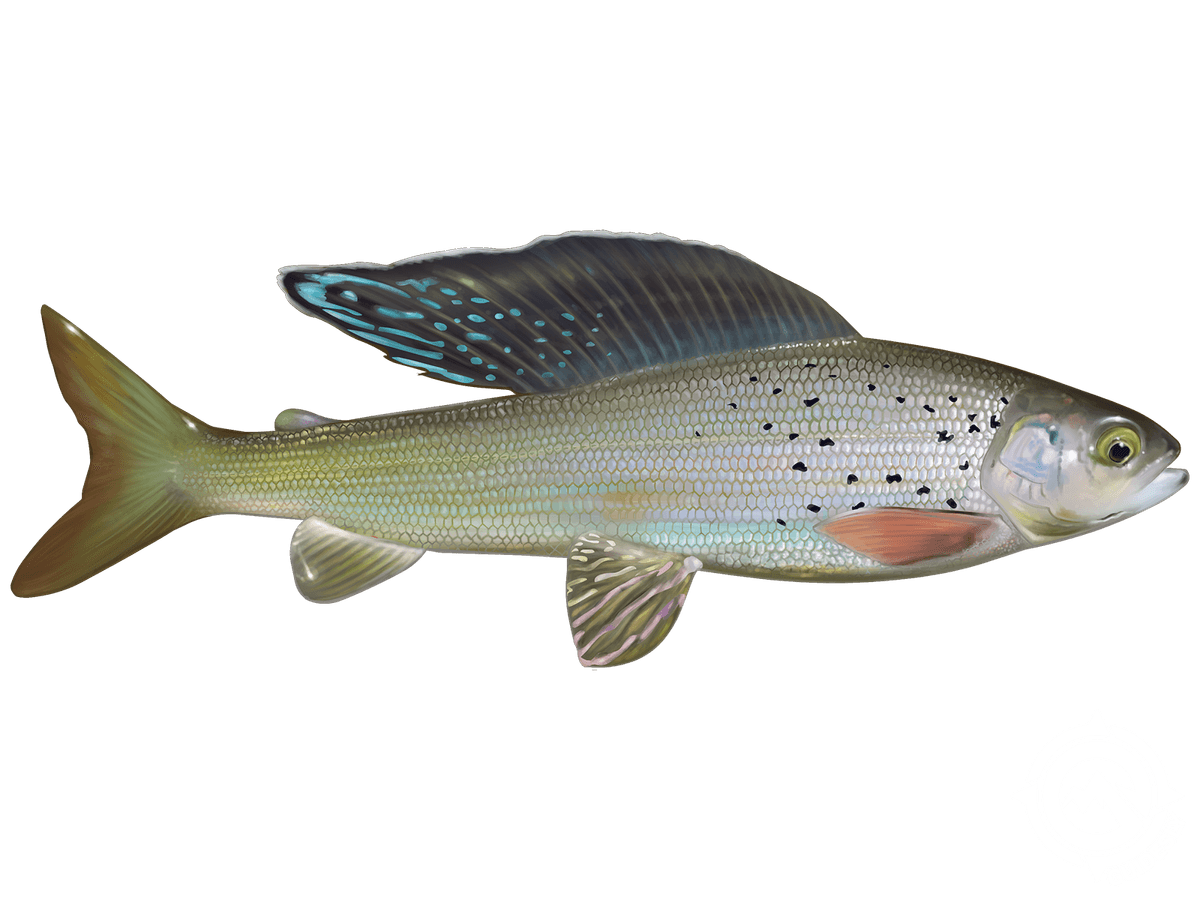
Arctic Grayling
Arctic grayling are the showstoppers with their massive, colorful dorsal fins that look like sails. These beautiful fish typically run 12-18 inches and are part of the salmon family, preferring the coldest, most oxygenated waters we have. You'll find them in faster current areas and rocky shorelines of our mountain streams and lakes. June through September offers the best fishing, with July being exceptional when they're everywhere along the shorelines. What guests love is that distinctive sail fin and their aggressive surface feeding - they're perfect for dry fly fishing. They have small mouths, so keep your flies and lures modest sized. The colors are stunning, especially males with bright blues and greens. Local secret: use small spinners or dry flies in the 1-1.5 inch range during evening hatches. They're curious fish and will often investigate anything that looks like food.
Bull Trout
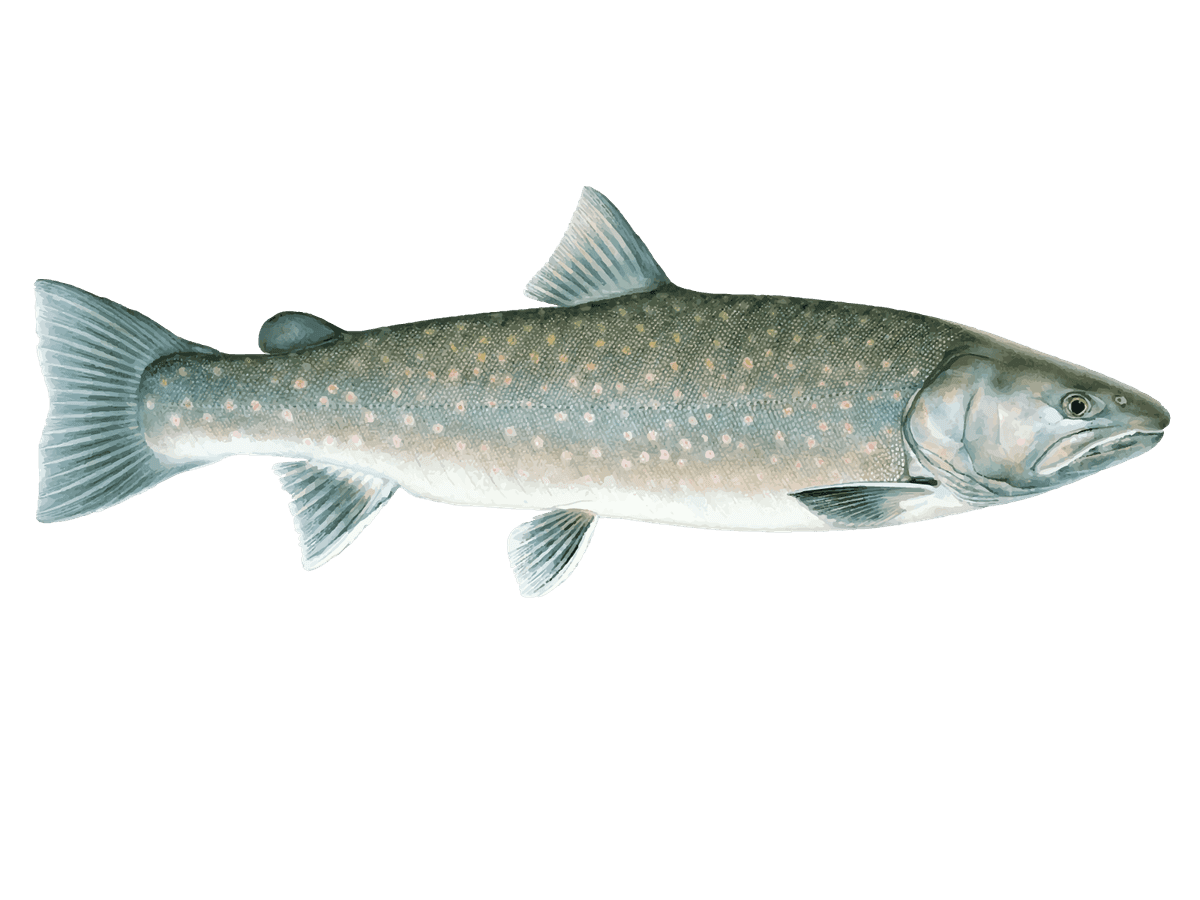
Bull trout are the heavyweights of our char family, growing 20-30 inches and weighing up to 30 pounds in good habitat. These olive-green predators have distinctive white-edged fins and bright spots but no spots on their dorsal fin - that's how you tell them apart from other chars. They stick to the deepest, coldest pools and slow backwater areas, usually hugging the bottom. Fall spawning season brings the best action when they're most aggressive. What makes them special is their rarity and the challenge they present - these fish demand pristine water conditions and are extremely cautious. The fight is powerful and sustained once hooked. My local trick: fish big streamers early morning or evening in the deepest holes you can find, and be patient - they don't bite often but when they do, it's worth the wait.
Mountain Whitefish
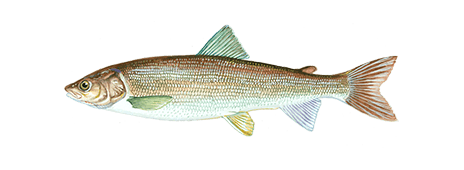
Mountain whitefish might not win beauty contests, but they're perfect for learning proper fly presentation. These bronze-silver fish run 10-16 inches and are incredibly abundant in our cold BC streams. They have small, downward-pointing mouths designed for bottom feeding, so they're always hugging the streambed looking for aquatic insects. Winter through spring is actually peak season since they feed heavily in colder water when trout slow down. Guests appreciate how willing they are to bite - great confidence builders for new fly anglers. While some call them "trash fish," they're actually quite tasty when smoked or pickled. Here's the key: use small flies (size 14-16) and fish them right on the bottom with some weight. Think of them as your practice fish - if you can consistently catch whitefish, you've got the technique down for bigger targets.
Rainbow Trout
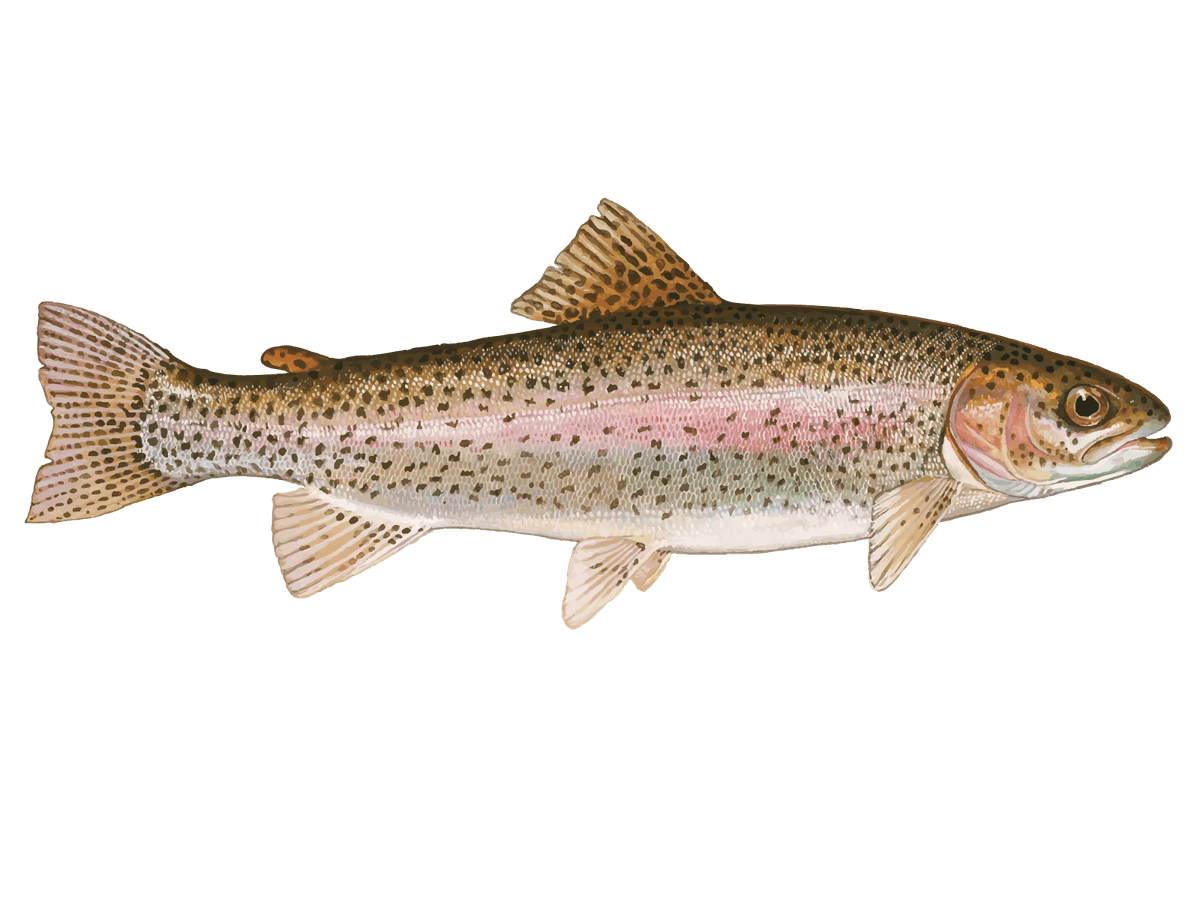
Rainbow trout are BC's classic fly fishing target, running 12-20 inches and 2-4 pounds in our local waters. These beauties show off that signature pink stripe and fight hard with acrobatic jumps when hooked. You'll find them in fast-moving sections with gravel bottoms and deeper pools during summer heat. They love cold, clean water between 55-64°F, making spring through fall prime time here. What guests love most is their aggressive take on flies and the rewarding fight they put up. The meat is excellent eating too - mild and flaky when cooked right. Pro tip for Tumbler Ridge waters: focus your nymphs and dry flies near undercut banks and boulder pockets where they wait to ambush insects. Early morning and evening are when they're most active and willing to rise.
About the Toyota Tacoma
%2F%2Fusers%2F798a0303-f1fe-41b7-a61c-04bd6a5068a3%2Fvehicle_picture%2F794d7c7d-247e-4047-852d-119c293ed8bf.jpg&w=1200&q=75)
Vehicle Guest Capacity: 4