%2Ffit-in%2F250x250%2Fguide_websites%2F121123%2Fimages%2F1773540728867logo.png&w=1200&q=100)
/users/798a0303-f1fe-41b7-a61c-04bd6a5068a3/ratecard/2-mmr3jyae.jpg)
%2F300x300%2Fusers%2F798a0303-f1fe-41b7-a61c-04bd6a5068a3%2Fratecard%2F2-mmr3jyae.jpg&w=256&q=75)
%2F300x300%2Fusers%2F798a0303-f1fe-41b7-a61c-04bd6a5068a3%2Fimages%2Fbull-trout-tumbler-ridge-catch-2367.jpg&w=256&q=75)
%2F300x300%2Fusers%2F798a0303-f1fe-41b7-a61c-04bd6a5068a3%2Fimages%2Fbull-trout-tumbler-ridge-bc-2458.jpg&w=256&q=75)
%2F300x300%2Fusers%2F798a0303-f1fe-41b7-a61c-04bd6a5068a3%2Fimages%2Fbull-trout-tumbler-ridge-bc-2340.jpg&w=256&q=75)
%2F300x300%2Fusers%2F798a0303-f1fe-41b7-a61c-04bd6a5068a3%2Fimages%2Ftumbler-ridge-catch-release-2647.jpg&w=256&q=75)
%2F300x300%2Fusers%2F798a0303-f1fe-41b7-a61c-04bd6a5068a3%2Fimages%2Farctic-grayling-tumbler-ridge-catch-2596.jpg&w=256&q=75)
%2F300x300%2Fusers%2F798a0303-f1fe-41b7-a61c-04bd6a5068a3%2Fimages%2Farctic-grayling-tumbler-ridge-bc-2552.jpg&w=256&q=75)
%2F300x300%2Fusers%2F798a0303-f1fe-41b7-a61c-04bd6a5068a3%2Fimages%2Ftumbler-ridge-fish-release-2320.jpg&w=256&q=75)
%2F300x300%2Fusers%2F798a0303-f1fe-41b7-a61c-04bd6a5068a3%2Fimages%2Ffly-fishing-tumbler-ridge-bc-2374.jpg&w=256&q=75)
%2F300x300%2Fusers%2F798a0303-f1fe-41b7-a61c-04bd6a5068a3%2Fimages%2Frainbow-trout-tumbler-ridge-bc-2396.jpg&w=256&q=75)
%2F300x300%2Fusers%2F798a0303-f1fe-41b7-a61c-04bd6a5068a3%2Fimages%2Fbull-trout-tumbler-ridge-bc-2347.jpg&w=256&q=75)
BackCountry Fly Fishing Guide Tumbler Ridge BC
What you will be catching:
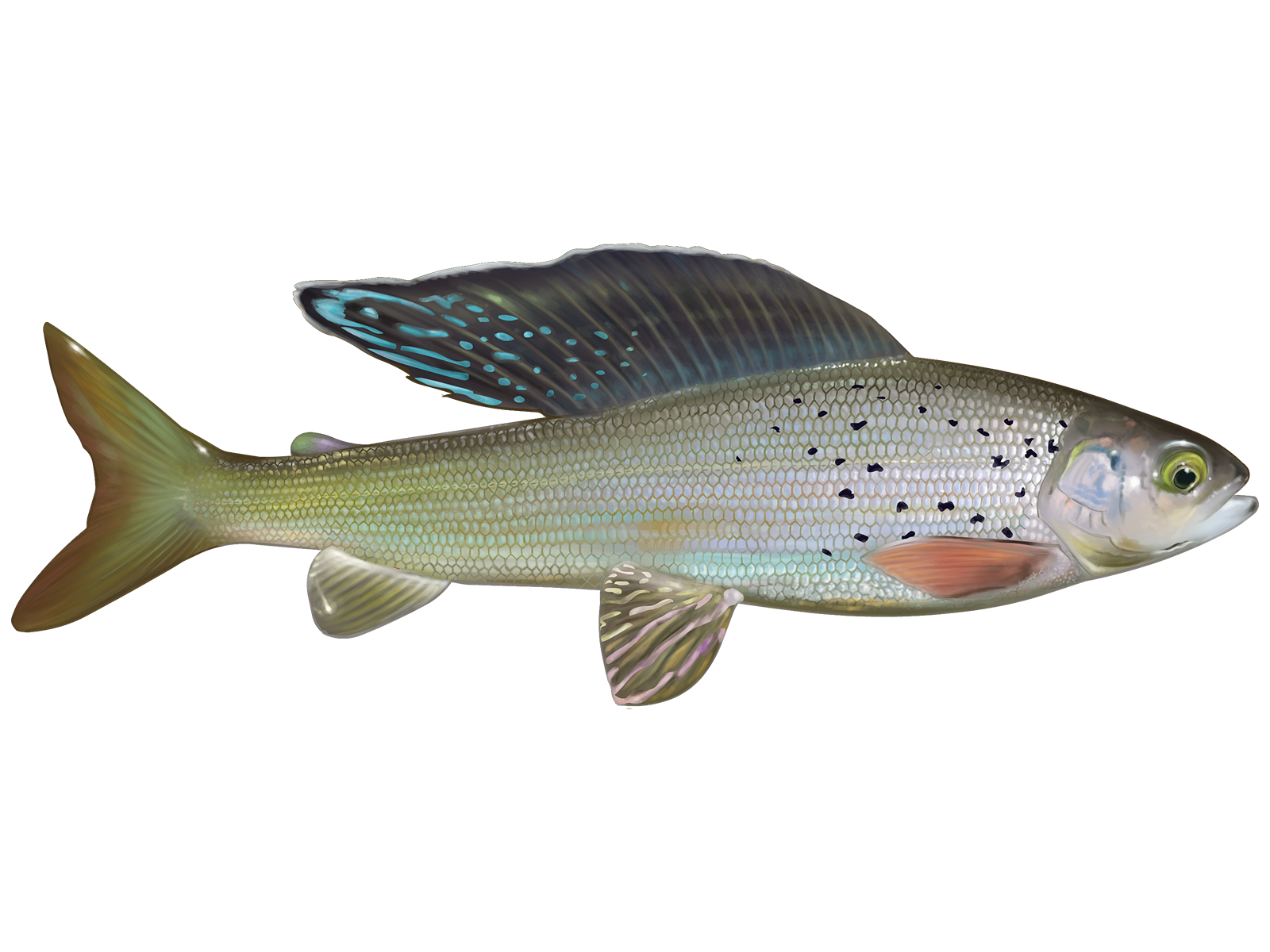 Arctic Grayling
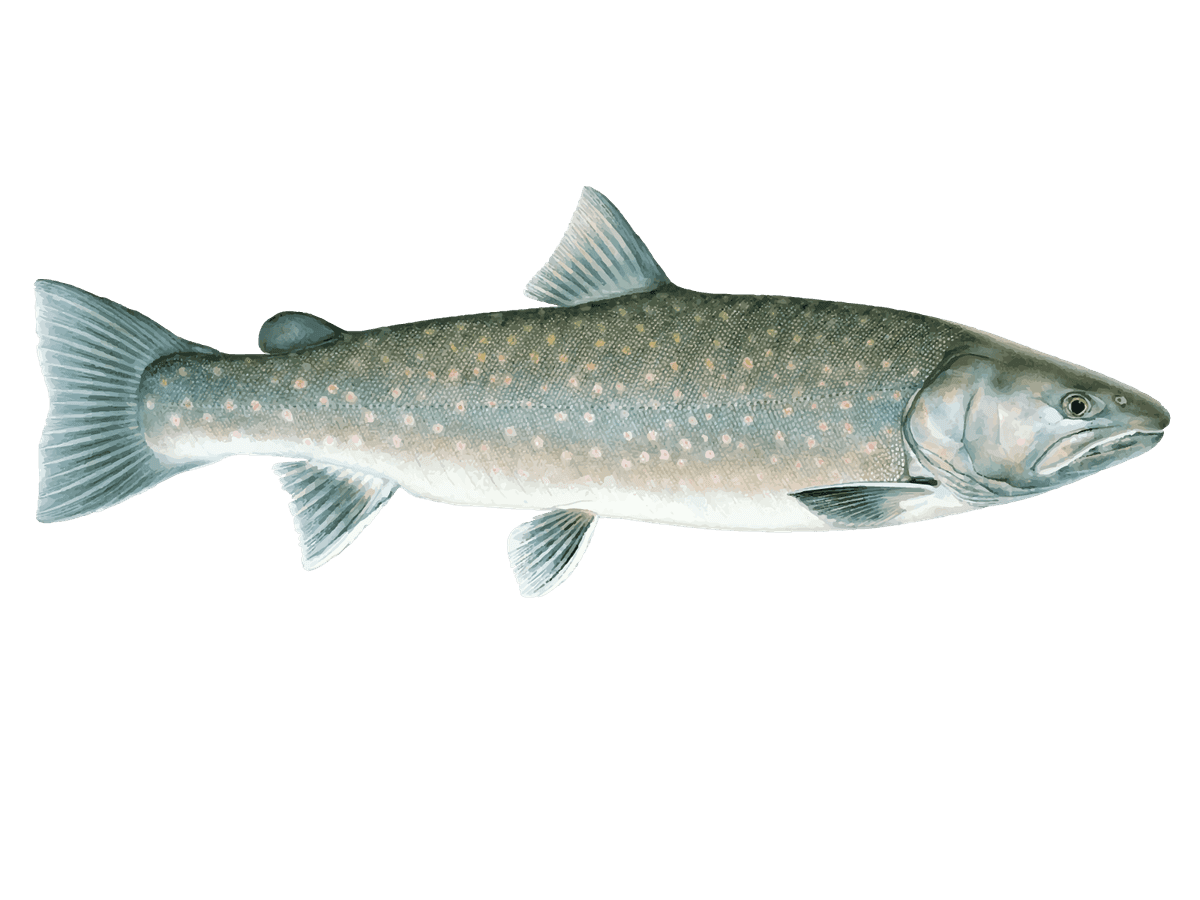
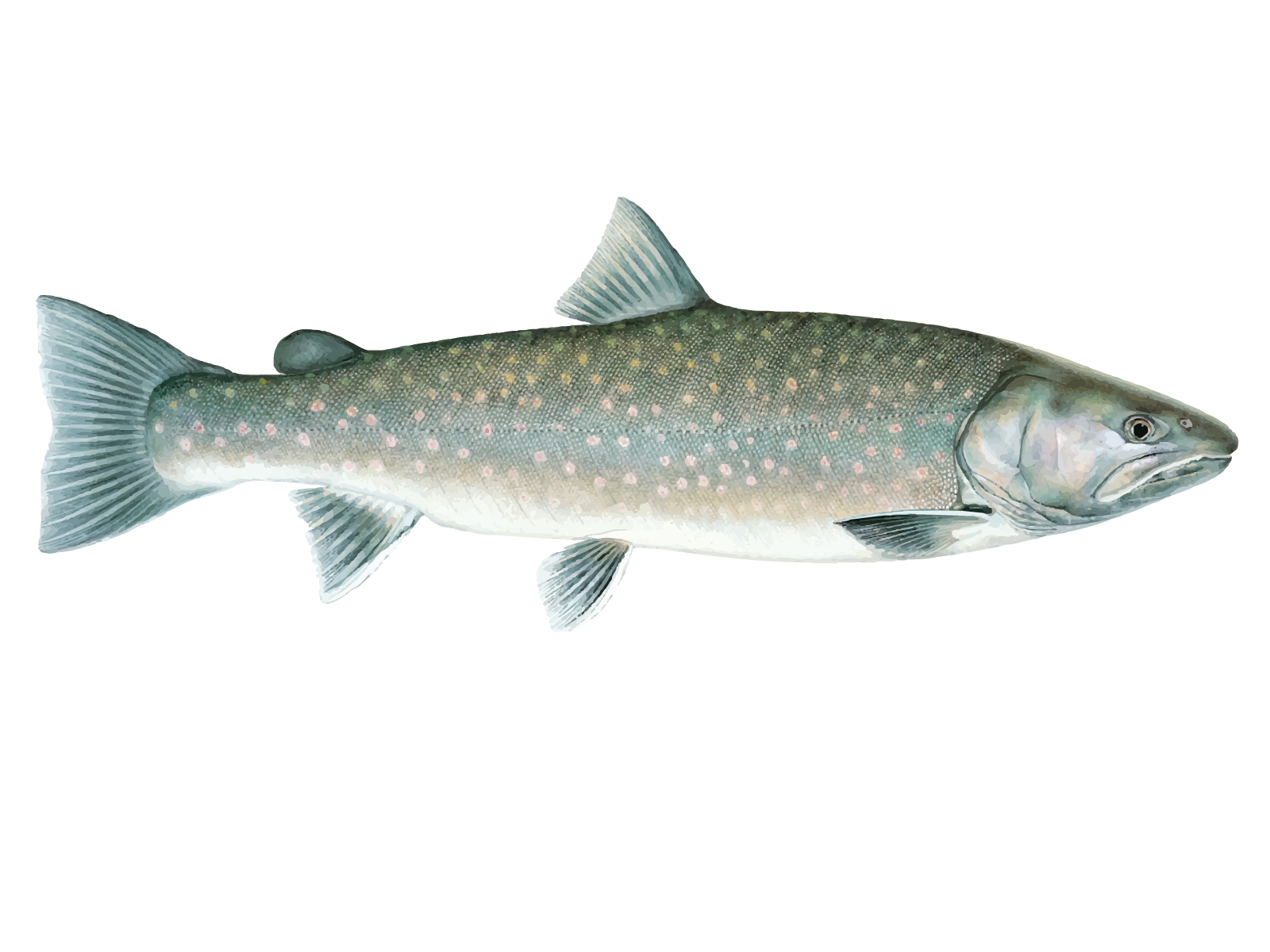 Bull Trout
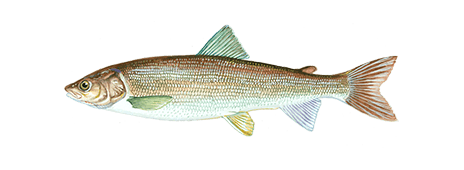
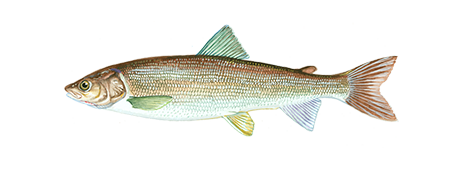 Mountain Whitefish
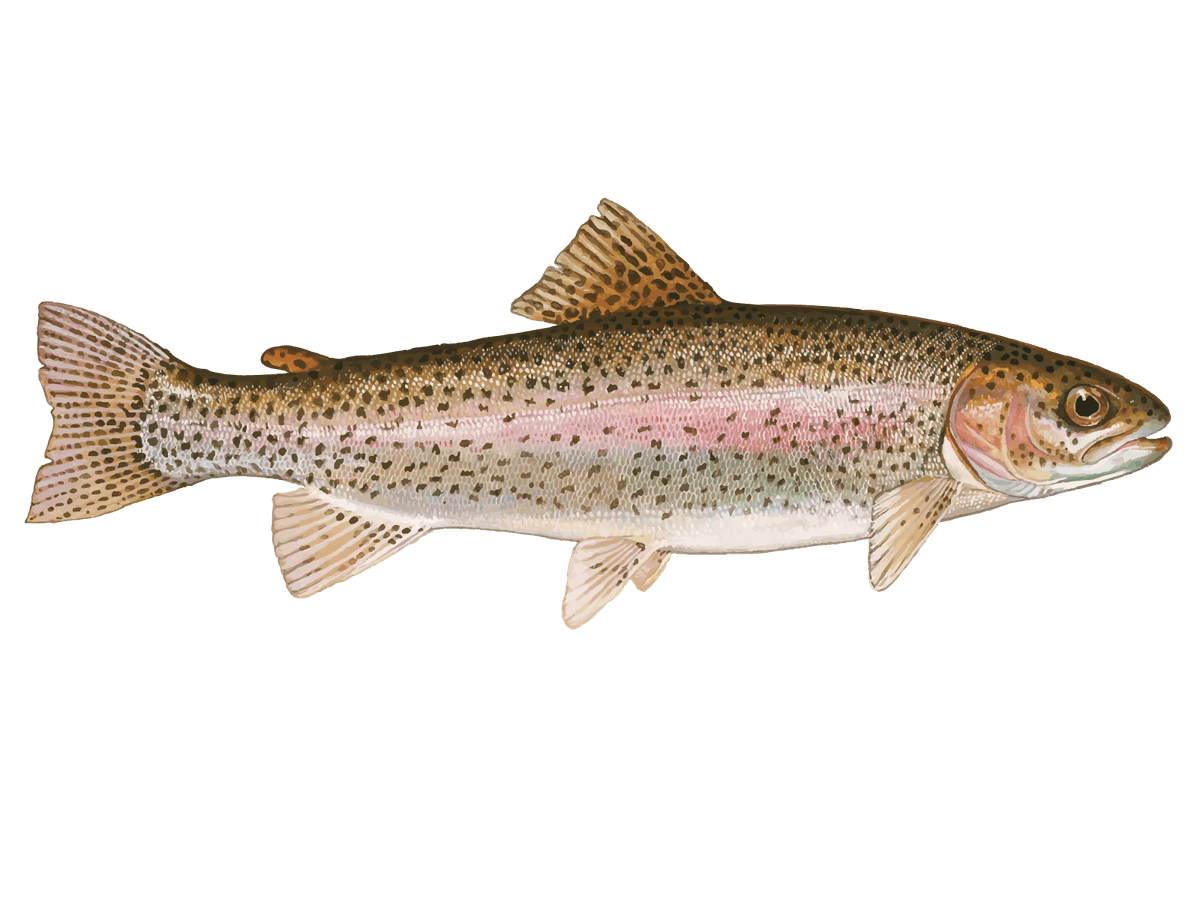
 Rainbow Trout
- This six-hour guided fly fishing trip takes you deep into the backcountry around Tumbler Ridge, where clear streams and quiet lakes hold healthy populations of native trout. Austin Bradley knows these northern BC waters well and will move you between spots based on conditions and what's working that day. You'll fish everything from dry flies to streamers depending on the season, targeting trout in remote wilderness that most anglers never see. With just two guests max, you get personalized instruction and plenty of water to yourself in some seriously beautiful country.
Trip Pricing and Availabilities:
Extended Half-day Fly Fishing in Tumbler Ridge
If you're looking for a proper fly fishing adventure that gets you away from the crowds and into some of BC's best backcountry waters, this six-hour guided trip with Austin Bradley is exactly what you need. Tumbler Ridge sits in some of the most pristine wilderness you'll find in northern British Columbia, where crystal-clear streams and remote rivers hold healthy populations of native trout that haven't seen much pressure. This isn't your typical roadside fishing spot – we're talking about waters that require local knowledge to access and fish effectively, which is exactly what makes this trip so rewarding.
What to Expect on the Water
Austin's approach to guiding is all about adapting to what the water's telling us on any given day. Over six hours, you'll hit multiple spots depending on seasonal conditions, water levels, and where the fish are most active. The beauty of this extended half-day format is that you're not rushed – there's time to work different sections of water, try various techniques, and really dial in what's working. The region's rivers and streams are known for their clarity and the way they hold fish in predictable lies, but every piece of water has its own personality. You might start the morning working pocket water with nymphs, then switch to dry flies when the afternoon hatch starts popping off. The flexibility to move and adjust is what separates this trip from shorter outings where you're stuck in one spot regardless of conditions.
Techniques & Gear Setup
The fly fishing around Tumbler Ridge rewards versatility more than any single technique. Austin comes prepared with everything from delicate dry fly setups for selective surface feeders to heavy nymph rigs that get down to fish holding in deeper runs. Streamer fishing can be absolutely deadly here, especially for the larger bull trout that patrol these waters looking for an easy meal. The key is reading the water and matching your approach to what you're seeing – clear, shallow riffles might call for a careful upstream dry fly presentation, while deeper pools often produce better with a well-drifted nymph or an aggressively stripped streamer. Austin provides all the flies and terminal tackle, but he's also great at explaining why certain patterns work in these specific waters. The rod work here ranges from delicate 4-weight presentations to heavier 6 or 7-weight setups when you're throwing bigger bugs or fighting stronger current.
Species You'll Want to Hook
Rainbow trout are the bread and butter of these waters, typically running 12 to 16 inches with some real surprises pushing well beyond that. They're active throughout the season but really turn on during mayfly hatches and when terrestrials start hitting the water in summer months. These aren't your typical stocked rainbows – they're wild fish with all the fight and wariness that comes with surviving in natural conditions. They'll test your drag on the take and use every piece of structure in the river to try and shake your fly.
Bull trout are the real prize fish in this system, and Tumbler Ridge waters hold some impressive specimens. These native char can push 20+ inches and have the attitude to match their size. They're ambush predators that often hold in deeper pools or undercut banks, making them perfect targets for streamer presentations. Bull trout fishing peaks in late summer and fall when they're most aggressive, but skilled anglers can connect with them throughout the season. Landing one of these fish is a legitimate bucket-list experience.
Mountain whitefish might not win any beauty contests, but they're a key part of the ecosystem here and surprisingly fun to catch on light tackle. They're often the most cooperative species when conditions are tough, and they can actually help you dial in your nymph presentations since they're bottom feeders with predictable feeding behavior. These fish typically run 10 to 14 inches and can be found in good numbers throughout the system.
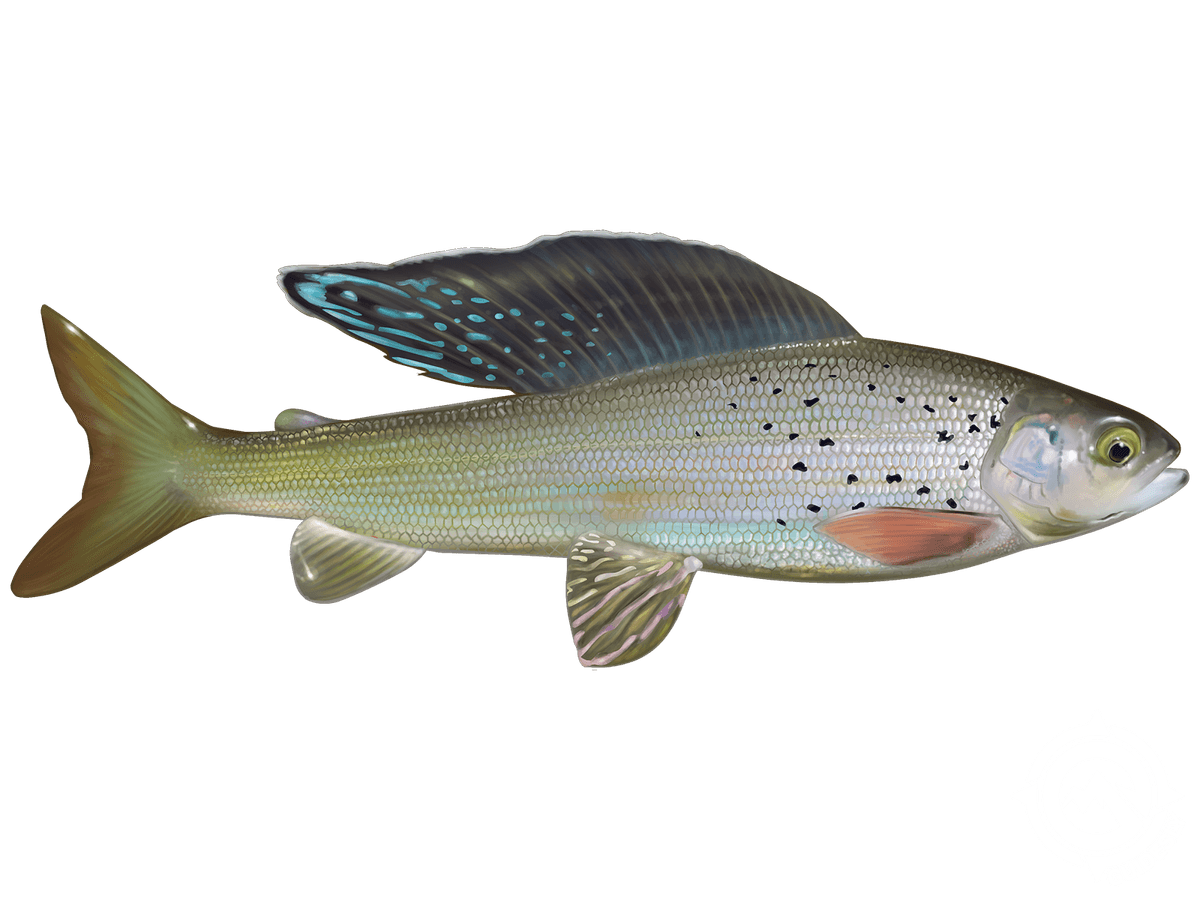
Arctic grayling are the most unique species you'll encounter on this trip, with their distinctive dorsal fins and selective feeding behavior. They're primarily found in the cleaner, colder tributaries and are known for being extremely picky about fly presentation. When you do connect with a grayling, you're catching a fish that represents some of the cleanest, most pristine water in North America. They're typically most active during cooler parts of the day and respond well to smaller dry flies and emerger patterns.
Time to Book Your Spot
This extended half-day trip strikes the perfect balance between getting a real taste of Tumbler Ridge's fly fishing potential without committing to a full day on the water. With Austin's local expertise and the region's diverse fishery, you're looking at six hours of quality angling in some of BC's most beautiful backcountry. The two-person maximum keeps things personal and ensures everyone gets plenty of hands-on instruction and prime fishing time. Whether you're looking to improve your technique, explore new water, or just get away from the everyday grind, this trip delivers exactly what serious fly anglers are after. Don't wait too long to secure your dates – Austin's calendar fills up fast, especially during peak season when the fishing is at its absolute best.
Learn more about the species
Arctic Grayling
Arctic grayling are the most beautiful fish you'll encounter up here, with that massive sail-like dorsal fin covered in purple and gold spots. They typically run 14-18 inches and have small mouths, so they're delicate feeders. Look for them in medium-depth runs with good current and rocky bottoms, especially where streams enter lakes. Summer months from June through September offer prime fishing when they're actively feeding on surface insects. Guests love grayling for their unique appearance and willingness to rise to dry flies - they're like living jewels when they come to the surface. The fight is more about finesse than power, making them perfect for light tackle. My best tip is to use smaller dry flies like size 16 elk hair caddis or adams during evening hatches. They're curious fish that'll often inspect your fly multiple times before committing.
Bull Trout
Bull trout are the apex predators in our system - thick, powerful fish that can push 20-30 inches and fight like freight trains. They're actually char, not trout, with olive backs and bright orange spots. You'll find them in the deepest, coldest pools and tailouts where they ambush smaller fish. Fall brings the best action when they're actively feeding before winter. What gets guests fired up is their raw power and size - landing a big bull is a career highlight for most anglers. They're also native species here, so there's something special about connecting with a true northern wilderness fish. My go-to technique is swinging large streamers through deep runs at dawn or dusk. Use a sink-tip line and don't be afraid of 4-inch flies in black, olive, or white. Work them slow and deep.
Mountain Whitefish
Mountain whitefish might not win beauty contests, but they're willing biters that'll save a slow day on the water. These bronze-colored fish run 10-14 inches with small mouths and feed heavily on bottom insects. They school up in slower pools and back eddies, especially during winter months when they're most active. While some folks consider them "rough fish," they're actually great practice for reading water and presentation. They hit small nymphs aggressively and put up a decent scrap. Plus they're surprisingly good eating - firm, white meat that smokes beautifully. Since they feed on the bottom, I always rig guests with weighted nymphs like small caddis or midge patterns on size 14-16 hooks. Add some split shot and fish them dead drift along gravel bottoms. They'll often hit in multiples once you find a school.
Rainbow Trout
Rainbow trout are the bread and butter of our northern BC waters, running 12-20 inches with that classic pink stripe and spotted flanks. They love clean, cold streams and hang around deeper pools, undercut banks, and rocky drop-offs. Spring through fall offers solid action, but late summer evenings can be magic when they rise for mayflies and caddis. What makes them special is their scrappy fight - they'll jump and run hard for their size. Plus they're excellent eating with that mild, sweet flavor. Around here, I always tell guests to focus on current seams and eddies below boulders. These fish position there to pick off drifting insects, so a well-presented nymph or dry fly in those spots usually produces. Small presentations work best - think size 14-16 flies.
About the Toyota Tacoma
%2F%2Fusers%2F798a0303-f1fe-41b7-a61c-04bd6a5068a3%2Fvehicle_picture%2F794d7c7d-247e-4047-852d-119c293ed8bf.jpg&w=1200&q=75)
Vehicle Guest Capacity: 4