%2Ffit-in%2F250x250%2Fguide_websites%2F121123%2Fimages%2F1773540728867logo.png&w=1200&q=100)
/users/798a0303-f1fe-41b7-a61c-04bd6a5068a3/ratecard/6-mmr3eozr.jpg)
%2F300x300%2Fusers%2F798a0303-f1fe-41b7-a61c-04bd6a5068a3%2Fratecard%2F6-mmr3eozr.jpg&w=256&q=75)
%2F300x300%2Fusers%2F798a0303-f1fe-41b7-a61c-04bd6a5068a3%2Fimages%2Fbull-trout-tumbler-ridge-catch-2367.jpg&w=256&q=75)
%2F300x300%2Fusers%2F798a0303-f1fe-41b7-a61c-04bd6a5068a3%2Fimages%2Fbull-trout-tumbler-ridge-bc-2458.jpg&w=256&q=75)
%2F300x300%2Fusers%2F798a0303-f1fe-41b7-a61c-04bd6a5068a3%2Fimages%2Fbull-trout-tumbler-ridge-bc-2340.jpg&w=256&q=75)
%2F300x300%2Fusers%2F798a0303-f1fe-41b7-a61c-04bd6a5068a3%2Fimages%2Ftumbler-ridge-catch-release-2647.jpg&w=256&q=75)
%2F300x300%2Fusers%2F798a0303-f1fe-41b7-a61c-04bd6a5068a3%2Fimages%2Farctic-grayling-tumbler-ridge-catch-2596.jpg&w=256&q=75)
%2F300x300%2Fusers%2F798a0303-f1fe-41b7-a61c-04bd6a5068a3%2Fimages%2Farctic-grayling-tumbler-ridge-bc-2552.jpg&w=256&q=75)
%2F300x300%2Fusers%2F798a0303-f1fe-41b7-a61c-04bd6a5068a3%2Fimages%2Ftumbler-ridge-fish-release-2320.jpg&w=256&q=75)
%2F300x300%2Fusers%2F798a0303-f1fe-41b7-a61c-04bd6a5068a3%2Fimages%2Ffly-fishing-tumbler-ridge-bc-2374.jpg&w=256&q=75)
%2F300x300%2Fusers%2F798a0303-f1fe-41b7-a61c-04bd6a5068a3%2Fimages%2Frainbow-trout-tumbler-ridge-bc-2396.jpg&w=256&q=75)
%2F300x300%2Fusers%2F798a0303-f1fe-41b7-a61c-04bd6a5068a3%2Fimages%2Fbull-trout-tumbler-ridge-bc-2347.jpg&w=256&q=75)
Kids Fly Fishing Trip Tumbler Ridge Chasing Char
What you will be catching:
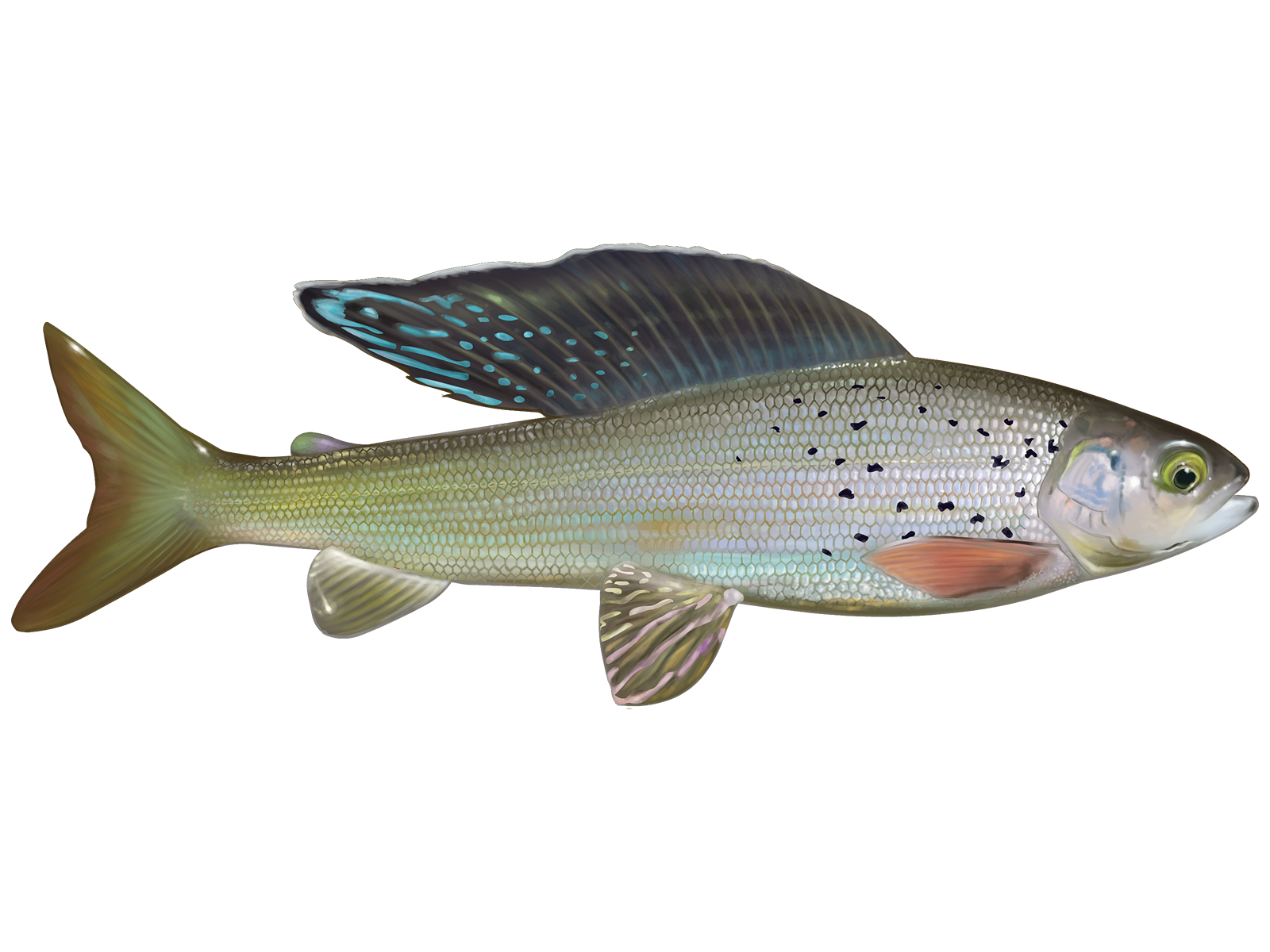 Arctic Grayling
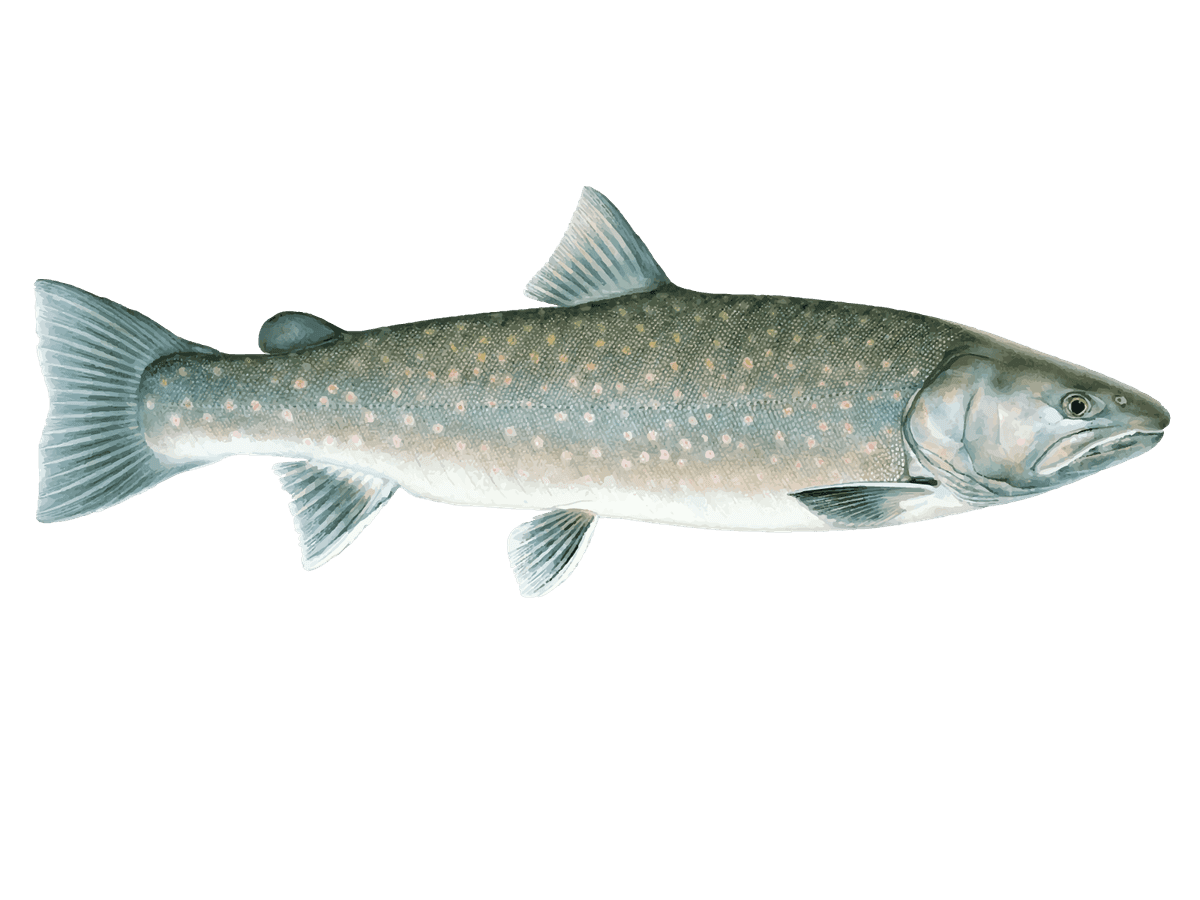
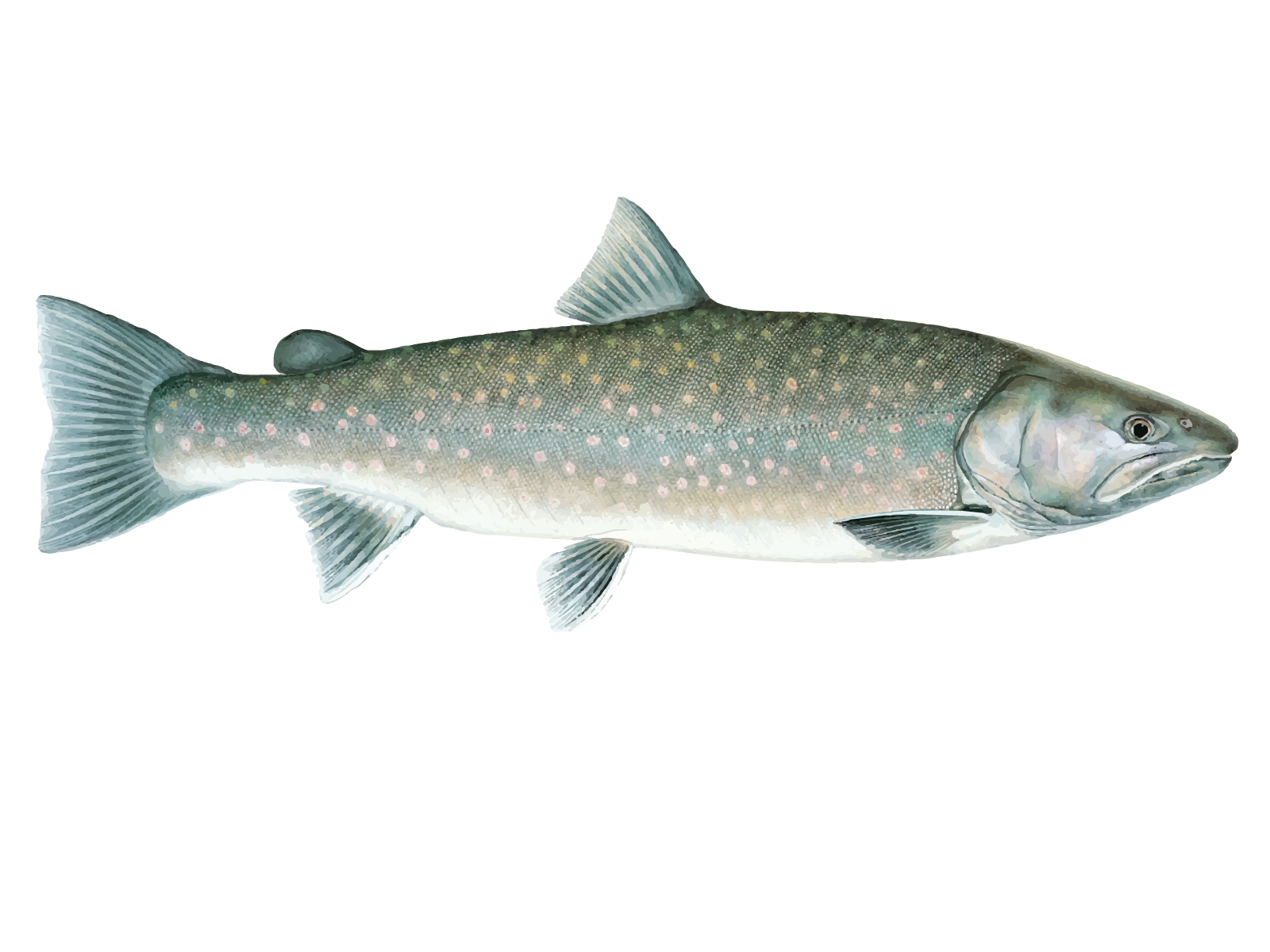 Bull Trout
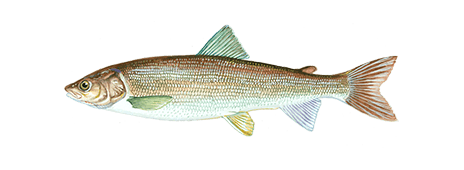
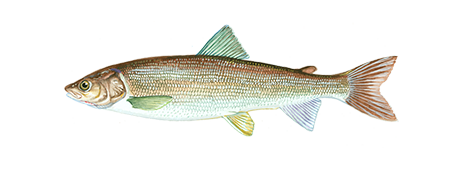 Mountain Whitefish
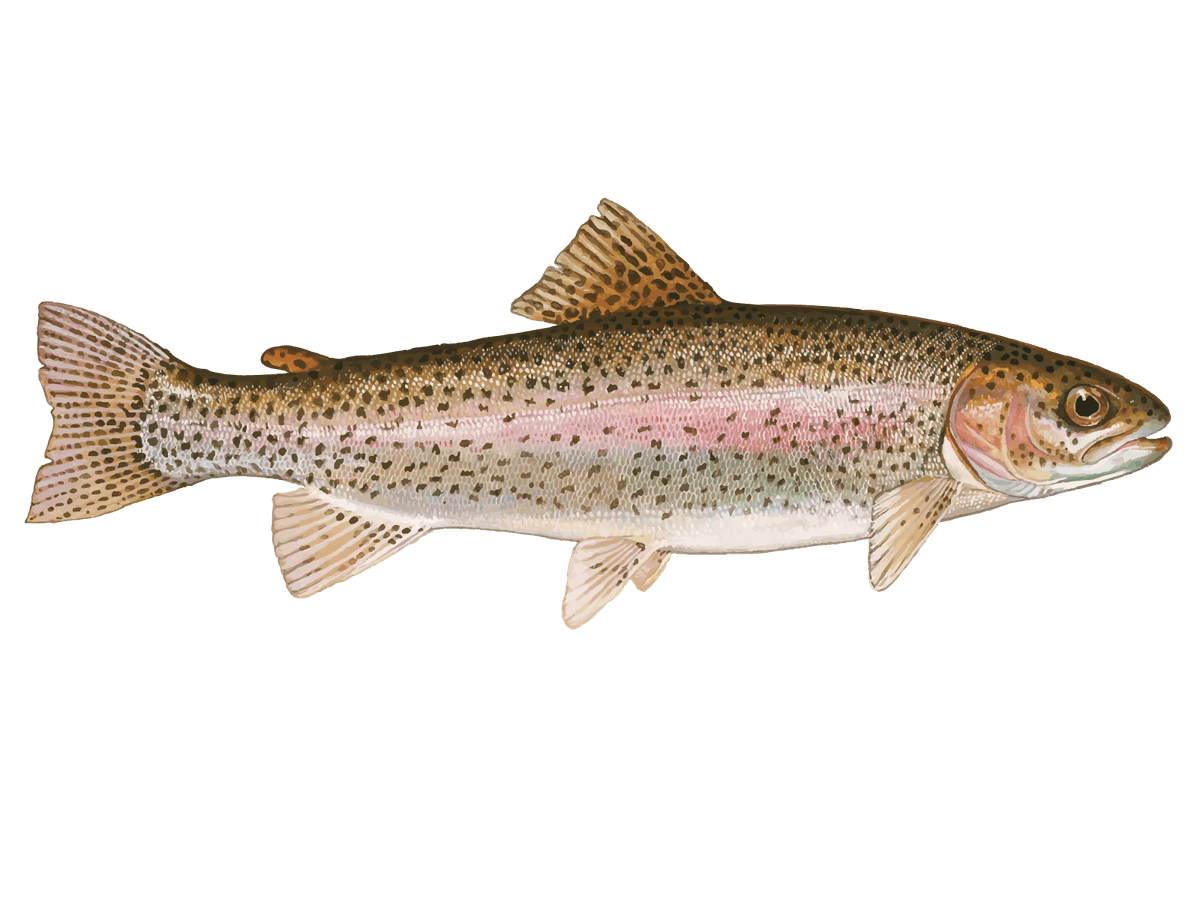
 Rainbow Trout
- This 2-hour fly fishing trip with guide Austin Bradley is perfect for getting kids hooked on the sport. We keep things simple and fun, teaching basic casting techniques and how to handle gear safely around Tumbler Ridge's rivers and small lakes. Austin focuses on easy-to-follow instruction so young anglers can learn fish behavior and fundamentals without feeling overwhelmed. It's designed specifically for families who want a relaxed introduction to fly fishing in northern BC's beautiful backcountry waters. With just 2 guests max, each kid gets plenty of personal attention to build confidence on the water.
Trip Pricing and Availabilities:
Kid-Friendly Fly Fishing in Tumbler Ridge
Getting kids hooked on fly fishing starts with the right guide and the perfect setting. Austin Bradley's 2-hour family trip in Tumbler Ridge gives young anglers their first real taste of what makes this sport so addictive. Northern British Columbia's pristine waters provide the ideal classroom where kids can learn without pressure, surrounded by some of the most beautiful country you'll find anywhere. This isn't about landing trophy fish – it's about sparking a lifelong passion while creating memories that'll stick with your family for years to come.
What to Expect on the Water
Austin keeps things simple and fun, which is exactly what works with kids. The 2-hour format hits that sweet spot where young attention spans stay engaged without getting overwhelmed or cranky. You'll start with basic gear familiarization – letting kids handle the rod, feel the weight, and understand how everything connects. The casting instruction happens gradually, with Austin breaking down the motions into bite-sized pieces that make sense to younger minds. Expect plenty of hands-on guidance and patience as your little angler figures out the rhythm. The pace stays relaxed, with natural breaks to explore the shoreline, spot wildlife, or just take in the mountain scenery. Austin's approach focuses on building confidence rather than perfection, so even if casting looks more like interpretive dance at first, everyone leaves feeling successful. The group size maxes out at just two guests, meaning your kid gets personalized attention and can progress at their own speed without competing with other families.
Gear Setup & Basic Techniques
Austin provides all the fly fishing equipment, sized appropriately for smaller hands and developing coordination. You'll work with lightweight rods that won't tire out young arms, paired with simple reel systems that kids can actually manage. The fly selection stays basic – think attractors and easy-to-see patterns that fish respond to readily. Safety comes first, with Austin covering proper handling, awareness of hooks, and how to move around water responsibly. The casting instruction starts with the fundamental overhead cast, broken down into the loading, pause, and forward motion that drives fly fishing. Kids practice on dry ground first, then progress to short casts over calm water. Austin explains fish behavior in terms that make sense to young minds – where they like to hang out, what they're looking for, and why certain spots produce better than others. Reading water becomes a game of spotting the good-looking areas, turning education into exploration. The focus stays on building muscle memory and understanding rather than achieving distance or precision right away.
Top Catches This Season
Rainbow Trout make up the backbone of what young anglers encounter around Tumbler Ridge, and there's good reason these fish have become the gold standard for family fishing trips. These scrappy fighters average 12 to 16 inches in local waters, providing just enough battle to get kids excited without overpowering smaller tackle. Rainbows feed actively throughout the warmer months, making them reliable targets for beginning fly fishers. Their willingness to take surface flies creates those magical moments when kids can actually see their catch rise to the offering. The silvery sides and distinctive pink stripe make for great photos, and these fish handle catch-and-release well, teaching young anglers about conservation from day one.
Bull Trout represent the apex predator in these northern waters, and while less common, they create lasting memories when hooked. These native char can push 18 to 24 inches, offering a completely different fight than rainbows. Bulls prefer deeper pools and undercut banks, giving kids a chance to learn about varying habitat preferences. Their olive-green coloration with distinctive white-edged fins makes identification easy, and Austin uses these encounters to discuss native species protection and why these fish matter to the ecosystem. Late summer provides the best opportunities as bulls move into shallower feeding areas.
Mountain Whitefish often surprise young anglers with their abundance and willingness to bite. These silvery natives rarely exceed 14 inches but make up for size with numbers and accessibility. Kids love the consistent action whitefish provide, especially when other species prove finicky. Their preference for slower water makes them perfect practice fish for developing casting skills. The sucker-like mouth and streamlined body shape spark conversations about how different fish species adapt to their environment.
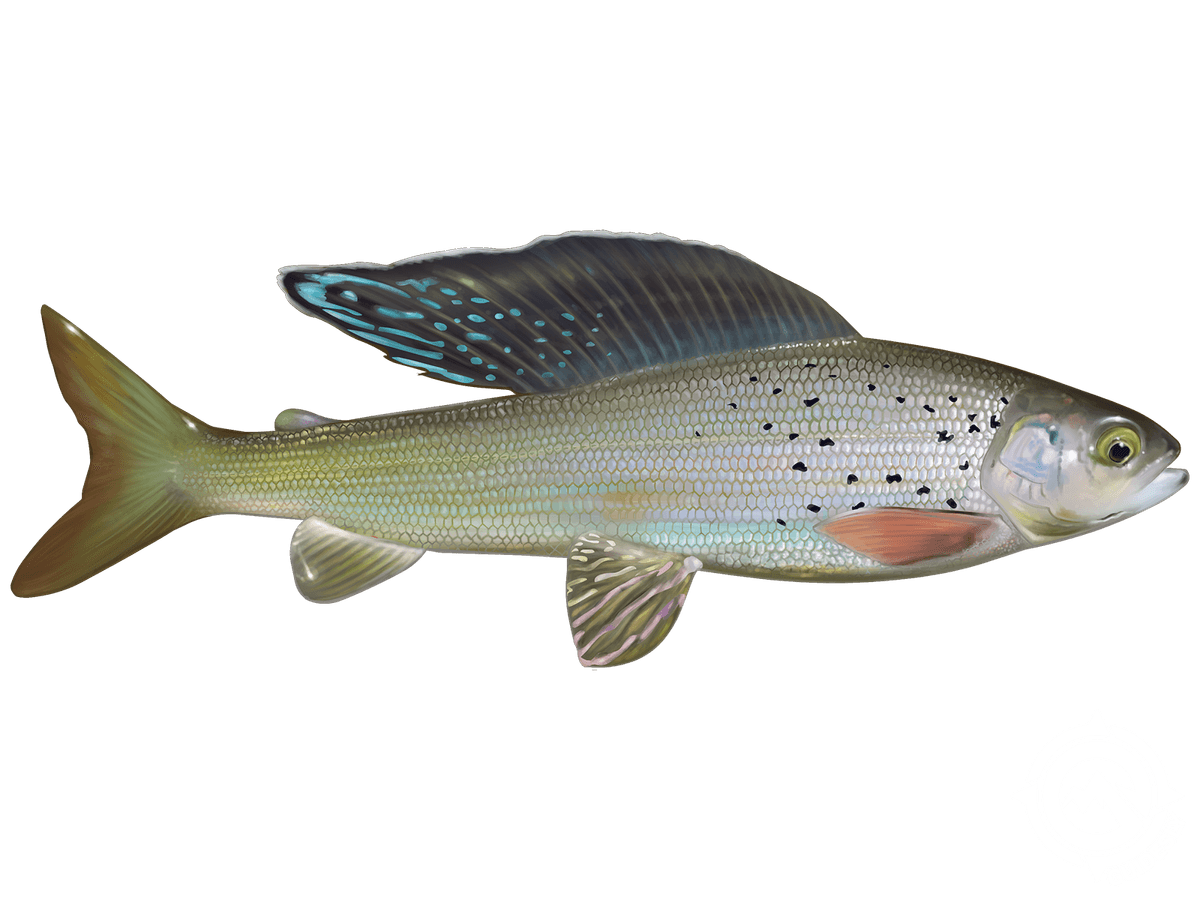
Arctic Grayling stand out as the most unique catch kids might encounter, with their distinctive sail-like dorsal fin creating instant excitement. These northern natives prefer cooler water and represent a true wilderness species that most anglers never see. Grayling typically run 10 to 14 inches in local waters, providing appropriate-sized action for young rods. Their iridescent coloration and prehistoric appearance fascinate kids, while their finicky feeding habits teach patience and observation skills. Finding grayling often means exploring the more remote sections of local waters, adding an element of adventure to the basic instruction.
Time to Book Your Spot
Austin's kid-friendly approach has turned countless families onto fly fishing, creating a new generation of anglers who understand both the sport and the conservation ethic that goes with it. The 2-hour timeframe proves perfect for maintaining enthusiasm without exhaustion, while Tumbler Ridge's diverse fishery ensures interesting encounters regardless of skill level. This top-rated family experience books up quickly during peak season, especially with the intimate 2-guest capacity that guarantees personalized instruction. Whether your young angler is completely new to fishing or ready to step up from spin casting, this trip provides the foundation for a lifetime of outdoor adventure. The memories created on these northern waters become the stories your kids will tell their own children someday.
Learn more about the species
Arctic Grayling
Arctic grayling are truly special - they're like swimming works of art with that massive sail-like dorsal fin covered in colorful spots. Most run 12-18 inches and fight with surprising energy for their size. You'll find them in clean, cold rivers and the rocky shores of mountain lakes, always in well-oxygenated water. June through September gives us the best fishing, with July and August being peak season when they're feeding aggressively in shallow water. Kids absolutely love grayling because they're so beautiful and unique - that huge dorsal fin makes every catch feel special. They're also great eating with a subtle, almost thyme-like flavor. The trick with grayling is using smaller flies since they have relatively small mouths. Size 14-16 dry flies work magic during summer evenings when they're rising to take insects off the surface.
Bull Trout
Bull trout are the big predators in our northern BC waters - they can reach 20-30 inches and really know how to use their weight. These char prefer the deepest, coldest pools in our rivers and lakes, often hanging right on the bottom where they can ambush smaller fish. Fall is prime time since that's when they're most active before spawning, though early morning and evening produce the best results year-round. What makes bulls special is their sheer power - when you hook one, you know it immediately. They're also a native species that needs pristine water, so catching one means you're fishing truly wild habitat. The meat is excellent too, with a rich, firm texture. Here's my local trick: look for them in the tailouts below deep pools where they wait for food to wash down - big streamers worked slowly along the bottom often trigger strikes.
Mountain Whitefish
Mountain whitefish might surprise you - they're smaller fish, usually 10-14 inches, but they're everywhere in our cold northern waters and eager to bite. They hang out on gravel bottoms in moderate currents, often schooling up in good numbers. Winter is actually their peak feeding time, making them a reliable target when other fish slow down. What's great about whitefish is they're perfect for teaching kids because they bite readily and aren't too hard to land. They're also excellent eating - firm white meat that's great fried or smoked. Some folks call them "trash fish" but that's just because they're so common. Their small mouths mean you need smaller hooks and flies. My trick for consistent success: use tiny nymphs like size 16 caddis or midge patterns and fish them right along the bottom with a bit of weight - they feed down there most of the time.
Rainbow Trout
Rainbow trout are perfect for young anglers - they typically run 8-16 inches in our local waters and put up a solid fight without being overwhelming. You'll find them in the cooler pools and runs, especially where there's some cover like overhanging banks or fallen timber. They love clean, cold water around 55-65°F, which is exactly what we have here in Tumbler Ridge. Spring through early fall gives us the best action, with evening being prime time when they're actively feeding on insects. Kids love rainbows because they're beautiful fish with that signature pink stripe, they fight well on light tackle, and they're great eating if you decide to keep one. My tip: watch for rising fish near the surface - that's your cue to cast just upstream and let your fly drift naturally to them.
About the Toyota Tacoma
%2F%2Fusers%2F798a0303-f1fe-41b7-a61c-04bd6a5068a3%2Fvehicle_picture%2F794d7c7d-247e-4047-852d-119c293ed8bf.jpg&w=1200&q=75)
Vehicle Guest Capacity: 4